
Structure removal
Demolition in San Pablo, CA
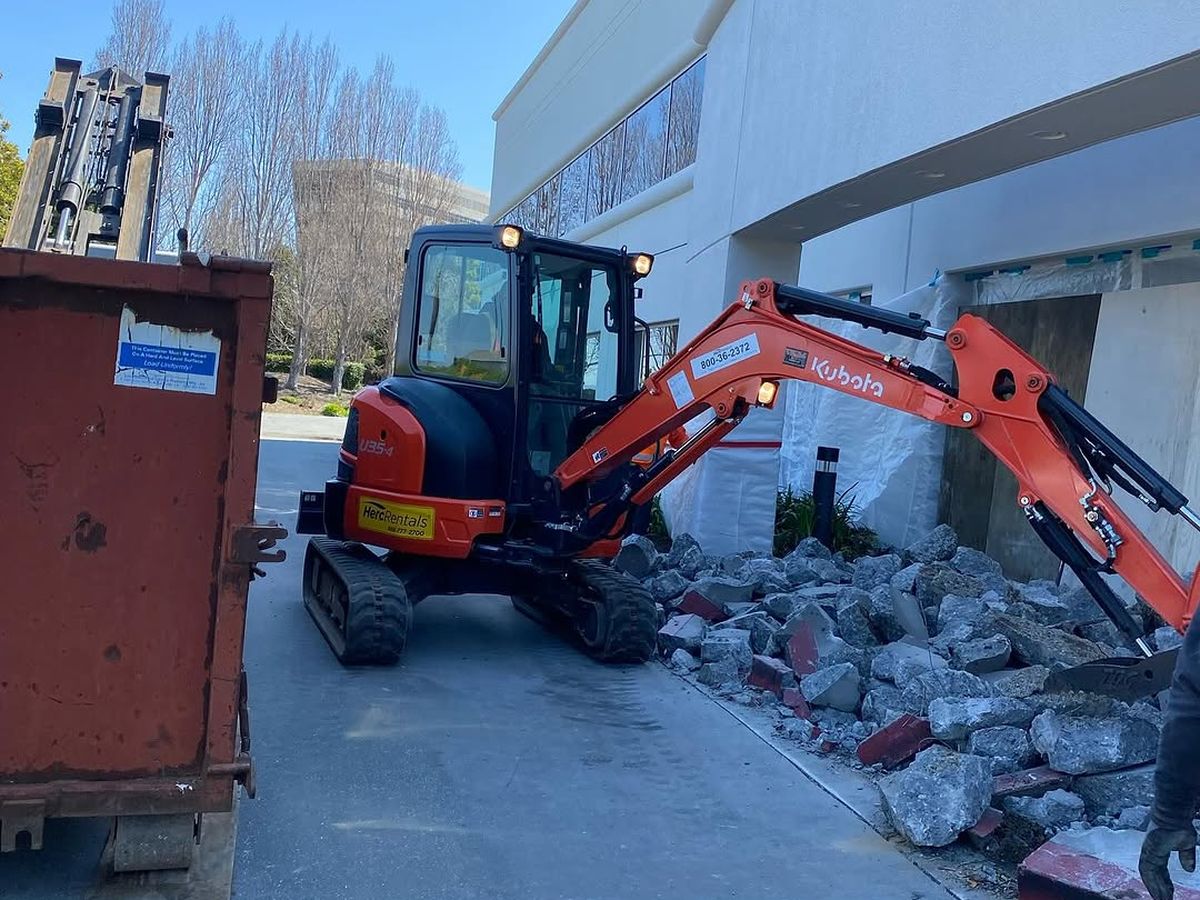
Controlled teardown of structures, slabs, and interiors — with the debris hauled off the same crew day.
Overview
What demolition involves on a real property
Demolition looks like the simplest part of a project and is usually the part that decides whether the rest of it runs on schedule. A garage that comes down cleanly, with the slab broken out and the footings chased to their full depth, hands the next trade a site they can start on immediately. A garage that comes down carelessly leaves buried concrete, a torn gas stub, and a week of surprise costs.
BR Services handles residential and light commercial demolition across San Pablo, Richmond, and the wider East Bay. We take down detached garages, unpermitted additions, carports, decks, retaining walls, sheds, chimneys, driveways, patio slabs, and interior spaces being stripped back to studs. Twenty years of earthwork behind us means the equipment on site matches the job instead of forcing the job to match the equipment.
Every teardown starts with what stays. Before a machine moves, we walk the property with you and mark the lines that must not be crossed: the neighbor's fence, the sewer lateral, the water service, the tree you want protected, the section of foundation the new plan reuses. Those marks govern the whole operation, and they are the reason our work rarely produces the boundary disputes that follow rushed demolition.
Utilities come next. Gas, electrical, and water are confirmed disconnected and capped at the source before anything structural is touched, and underground service locating is requested through USA North 811 whenever excavation is part of the scope. On older San Pablo and Richmond properties we assume nothing about where a line runs, because pre-1970 additions were frequently plumbed in whatever direction was convenient at the time.
The teardown itself is sequenced, not improvised. Roof and upper framing first, then walls, then slab and footings, with material sorted as it comes down so clean concrete, wood, and metal leave in separate loads instead of one expensive mixed one. When the machine shuts off, the site is raked flat, compacted where it will be driven on, and clear enough that a surveyor, framer, or landscape crew can start without waiting on anyone else.
What you get
Six things this service is built around
Utilities verified before day one
Gas, water, and power are confirmed capped at the source, and underground locating is requested through USA North 811 before any digging begins.
Sorted debris, lower disposal cost
Clean concrete, metal, and lumber are separated as the structure comes down, which cuts landfill tonnage and keeps your disposal line honest.
Footings removed to full depth
Buried footings and stem walls are chased out completely, so the next contractor is not paying to discover concrete a foot below grade.
Property lines respected
Boundaries, fences, trees, and neighboring structures are marked and protected before the first cut, not defended after the fact.
Dust and noise kept in check
Water suppression on concrete and masonry work, and demolition scheduled inside local hours so your neighbors are not the ones filing the complaint.
One crew, start to finish
The same team that drops the structure loads the debris and grades the pad, so nothing waits on a second contractor's calendar.
Scope
What is included
Anything outside this list is quoted separately and approved before it happens.
Site protection
- Boundary and utility marking walk-through
- Fence, tree, and hardscape protection
- Dust suppression during concrete work
- Neighboring structure shielding
Structural teardown
- Roof, framing, and wall removal
- Slab and footing breakout
- Chimney and masonry demolition
- Interior strip-out to studs
Debris handling
- Sorted concrete, metal, and wood loads
- Loading and hauling included
- Recycling routed where accepted
- Disposal tickets available on request
Site handoff
- Nails, screws, and hardware raked out
- Sub-base leveled and compacted
- Photo record of finished condition
- Punch walk before the crew leaves
Process
How the work runs, step by step
Site walk and scope
We measure the structure, identify what stays, note access constraints, and tell you what the machine can and cannot reach without crossing a boundary.
Permits and disconnects
You receive a written list of the disconnects and permit items required in your jurisdiction, and we coordinate timing around the inspections that gate the work.
Protection and staging
Boundaries and utilities are marked, protection is set on anything staying, and the debris container or truck route is positioned to keep the street clear.
Sequenced demolition
The structure comes down from the top, wall assemblies are separated as they drop, and concrete is broken out last so machine traffic stays on hard ground.
Cleanout and grading
Debris is loaded and hauled, the pad is raked and rough-graded, and we walk the site with you before the equipment leaves.
Why hire a contractor
Where doing it yourself usually costs more
The cost of a do-it-yourself teardown almost never shows up in the rental invoice. It shows up in the sewer lateral clipped by a bucket, the fence post pulled two inches onto the neighbor's parcel, or the mixed load that gets rejected at the transfer station and comes back on the truck. Those are the outcomes a contractor's day rate is actually buying against.
There is also the question of what is inside the walls. Structures built in Contra Costa and Alameda counties before the late 1970s regularly contain asbestos in siding, floor mastic, and duct wrap, and lead in paint layers. A demolition contractor knows when to stop and call for testing instead of turning regulated material into airborne dust across three properties, and knows which certified abatement crews can turn the work around quickly.
Finally, demolition is judged by what it leaves behind. A pad that drains toward the house, a subgrade too soft to hold a compaction test, or a hidden footing under the new foundation line all cost more to correct than the teardown did to perform. When the crew that removes the structure also grades the pad, the person accountable for that final condition is the same person who created it.
Real projects
Demolition on site
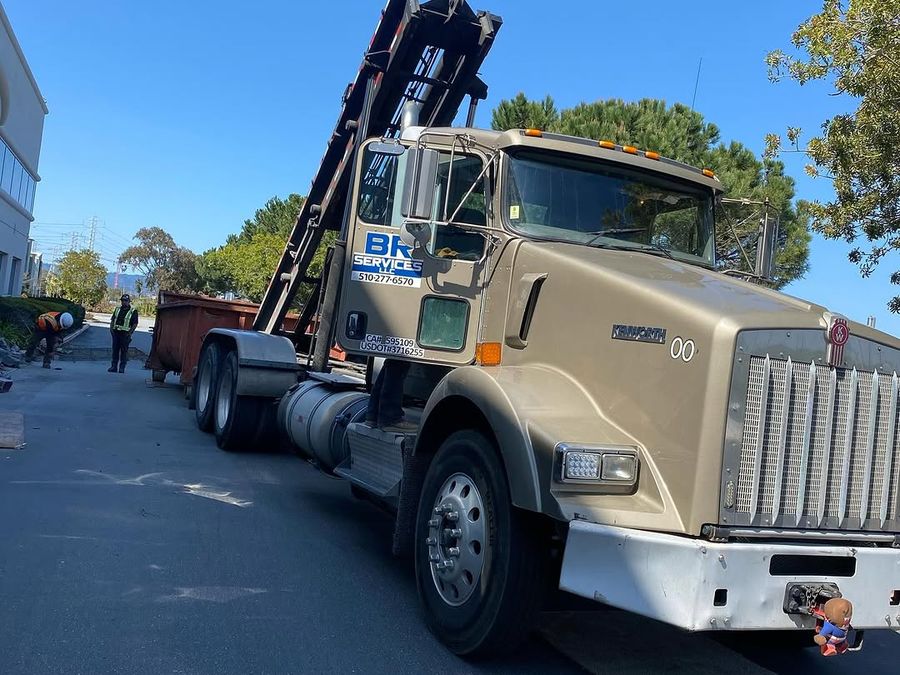
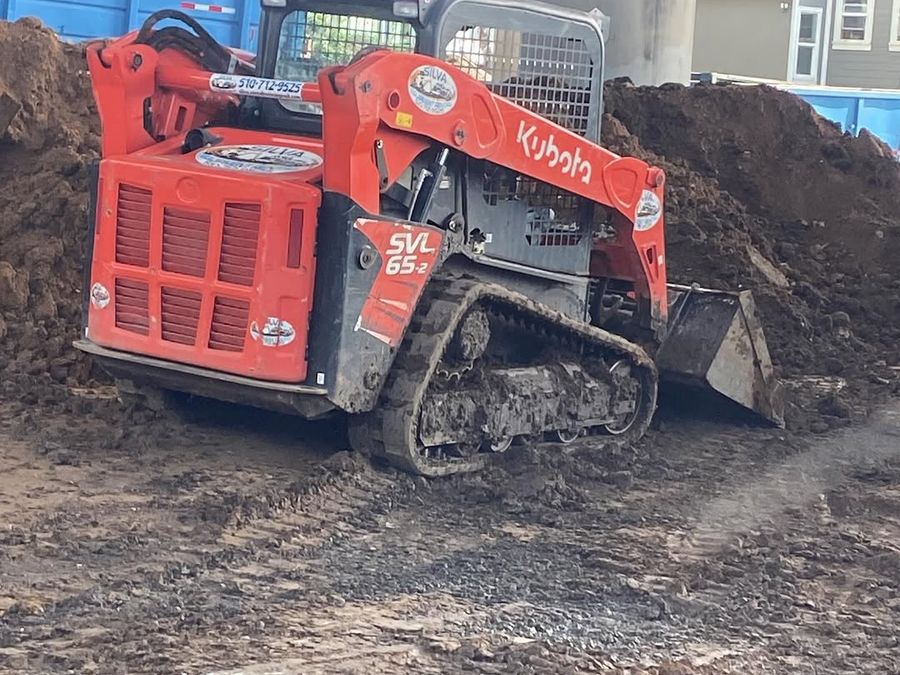
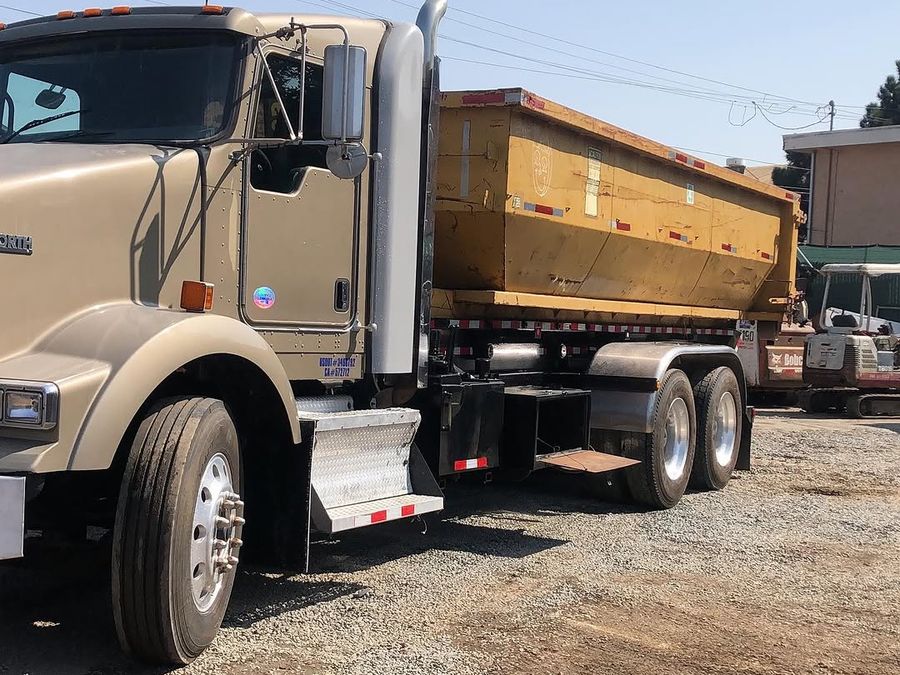
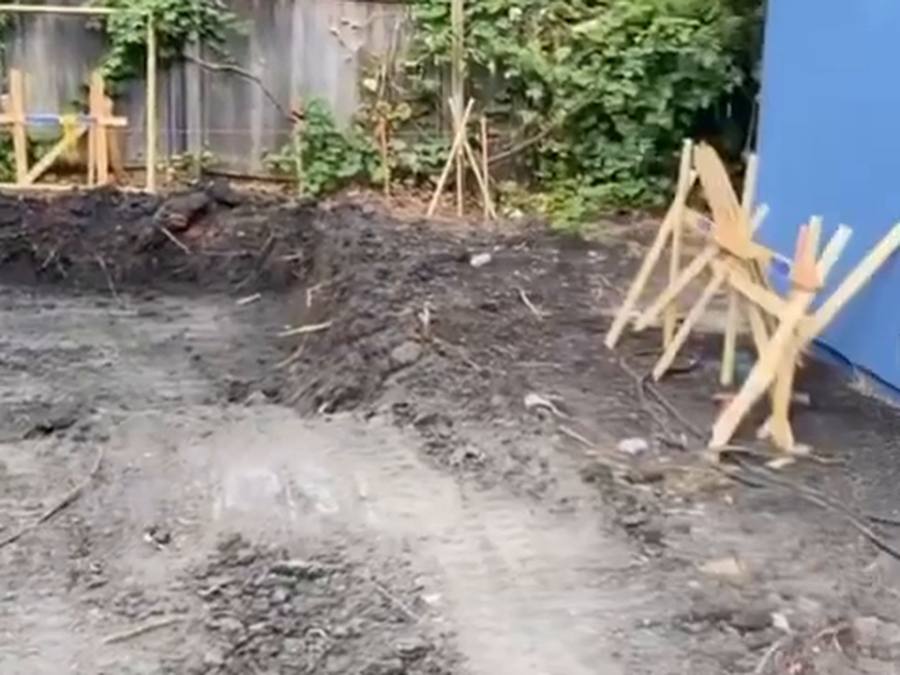
The four stages a demolition job moves through on an East Bay property, in order.
Questions
Seven answers specific to demolition
In almost every case, yes. San Pablo, Richmond, and neighboring cities require a demolition permit for detached structures and for interior work that touches structural framing, and utility disconnect sign-offs are usually a condition of issuance. We tell you exactly which items your address requires during the site walk.
A standard one- or two-car detached garage is typically a one-day teardown, with a second day for slab and footing removal and cleanout if the concrete is thick or reinforced. Access is the usual variable — a garage behind a narrow side yard takes longer than one off an alley.
It is priced as part of the scope whenever you want it gone. We quote structure removal and concrete removal as separate line items so you can see what each costs, but they are performed by the same crew on the same mobilization, which is cheaper than bringing anyone back.
Work stops on the affected area. We do not disturb suspect material. You get a written note of what we found and where, and we can put you in touch with certified testing and abatement contractors. Demolition resumes once clearance documentation is in hand.
Yes. Selective demolition — removing an addition, opening a wall line, or taking a second story back to the deck — is regular work for us. It requires temporary bracing and a careful cut line, so we plan the shoring with your structural engineer or architect before scheduling.
We are. Loading, hauling, and disposal are part of the quote unless you specifically ask to keep material on site for reuse. Clean concrete, scrap metal, and untreated lumber are separated and routed to recycling where facilities accept them, which usually reduces the tonnage you pay to bury.
Anything that stays gets identified and protected before work starts. Fences on the work side are shielded or, when clearance is genuinely too tight, temporarily removed and reset with the neighbor's knowledge. Mature trees get root-zone protection and machine routes that keep traffic off the drip line.
Related work
Services that usually go with this one
Coverage
Where we work
Demolition is available throughout our 20-mile radius. Access and haul distance are what move the price between addresses, not the city name.
Next step
Ready to price your demolition job?
Send dimensions and a couple of photos, or book a free site visit. You will get a fixed number and the assumptions behind it.