
Debris containers
Construction Dumpster Rental in San Pablo, CA
Roll-off containers dropped where you actually need them, swapped when they are full, and picked up when you are done.
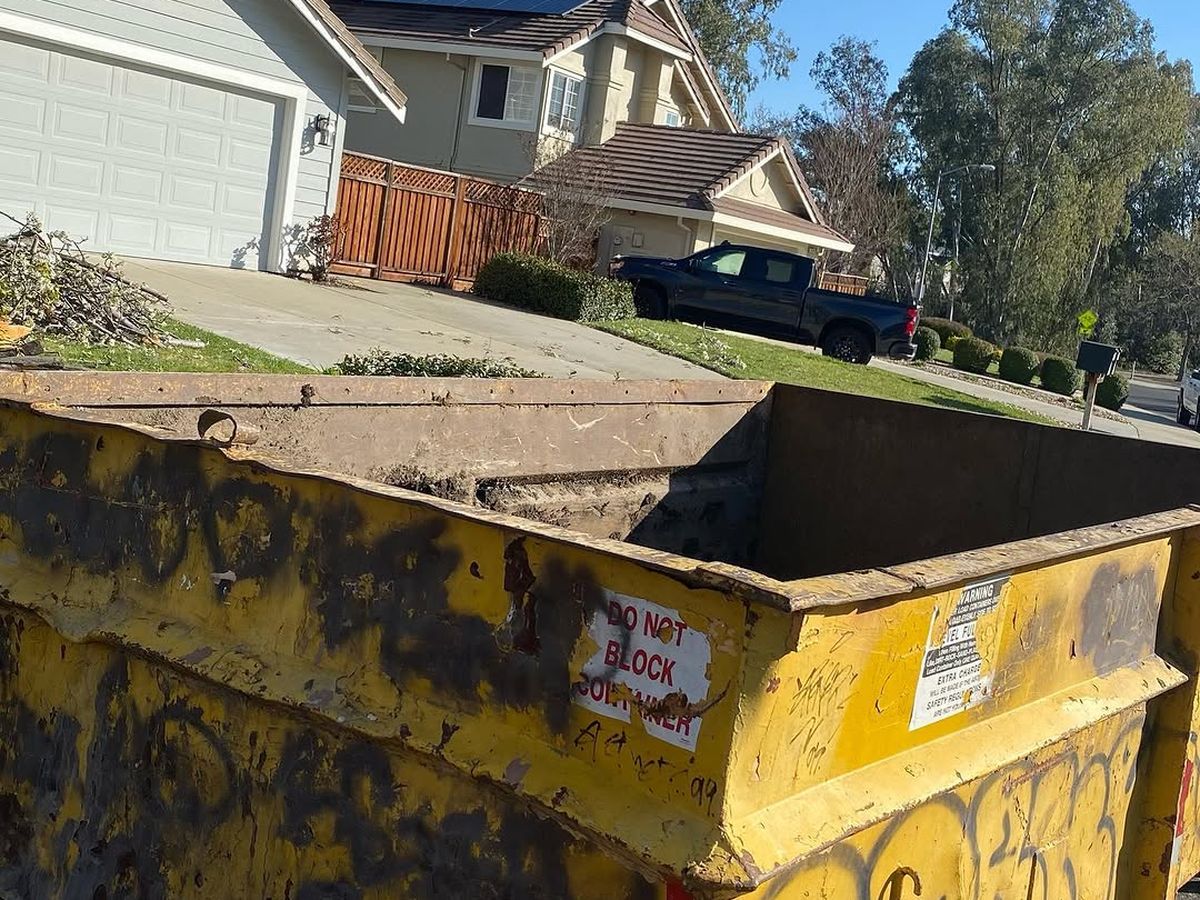
Overview
What construction dumpster rental involves on a real property
A dumpster is a scheduling tool. When the right container is standing in the right spot on the morning a crew starts demolition, the work moves at the speed of the crew. When it is not, four people spend the day stacking debris in a pile that has to be handled a second time. Most of the value in a rental is in delivery timing and placement, not in the box itself.
BR Services supplies roll-off containers for construction and remodel debris, demolition material, concrete and dirt, yard and land-clearing waste, garage and estate cleanouts, and roofing tear-offs across San Pablo, Richmond, Pinole, Hercules, El Cerrito, and neighboring cities. Because we run demolition and excavation ourselves, we size containers the way a contractor does — against the volume the job will actually generate, not against a wishful estimate.
Weight matters more than most people expect, and it is where surprise charges come from. Wood framing and household debris fill a container long before they get heavy. Concrete, brick, tile, dirt, and shingles do the opposite: they reach the legal road limit when the box still looks half empty. For heavy material we deliver a smaller container and swap it, which is cheaper and safer than one overweight load nobody can legally move.
Placement is planned before the truck arrives. A roll-off needs a straight approach, roughly sixty feet of clearance to set down and pick up, and overhead room clear of low branches and service drops. On tight San Pablo and Richmond streets that often means a driveway drop with boards under the rails to protect the surface, or a street placement with the encroachment permit your city requires. We tell you which applies to your address before delivery day.
Service is straightforward: you call, we confirm size and material, we deliver on the agreed day, and we swap or pull the container when you tell us it is full. Rental periods are flexible, and if a phase runs long we would rather extend the term than pull a box you still need.
What you get
Six things this service is built around
Sized by material, not by guess
We ask what is going in before we pick a container, so heavy debris gets a smaller box you can legally fill instead of an overweight one.
Placement planned in advance
Approach, clearance, overhead lines, and surface protection are confirmed before the truck rolls, so delivery does not turn into a problem to solve.
Fast swaps keep crews moving
When a container fills mid-phase, we exchange it rather than making your crew stop and stack debris on the ground.
Driveway surfaces protected
Boards go under the rails on concrete, asphalt, and pavers so the container does not leave marks where it sat.
Straight pricing
You are told the included tonnage, the overage rate, and the rental period up front, in writing, before the box is on your property.
Contractor-friendly scheduling
Delivery timed to your demolition or framing start, and pickup timed to your inspection, because we build to the same calendars.
Scope
What is included
Anything outside this list is quoted separately and approved before it happens.
Before delivery
- Material and volume review
- Container size recommendation
- Placement and clearance check
- Permit requirements for your city
Container options
- Small boxes for concrete, dirt, and roofing
- Mid-size for remodels and cleanouts
- Large boxes for framing and bulky debris
- Walk-in doors on select containers
During the rental
- Same-week delivery in most of our area
- Swap-outs when a box fills early
- Flexible term extensions
- Fill-line guidance to avoid overweight loads
Disposal and pickup
- Hauling and tipping handled
- Recycling routed where accepted
- Weight tickets on request
- Site left clean at pull
Process
How the work runs, step by step
Tell us what is going in
Material type decides everything. Mixed remodel debris, clean concrete, dirt, and roofing each have a different weight profile and a different right-sized container.
Confirm the drop spot
We check approach length, overhead clearance, and surface, then agree on a driveway or street location and flag whether an encroachment permit is needed.
Delivery on your date
The container is set square in the agreed spot with protection under the rails, positioned so your loading side faces the work.
Fill and swap
Load evenly, keep debris below the fill line, and call when it is full. We exchange the box or extend the rental, whichever your schedule needs.
Pickup and disposal
We pull the container, sweep the spot, and route material to the correct facility. Weight tickets are available whenever you want them.
Why hire a contractor
Where doing it yourself usually costs more
The alternative to a container is usually a pickup truck and a series of trips to the transfer station, and it is a false economy on anything larger than a closet remodel. Facility gate fees, fuel, the hours spent loading and unloading by hand, and the axle damage from an overloaded half-ton add up quickly, and every trip is a trip your crew is not building. One box in the driveway consolidates all of that into a single line item.
There is also a compliance layer that catches people off guard. Cities in this area regulate how long a container can sit on a public street, require an encroachment permit for street placement, and enforce weight limits on the road, not in the box. Construction and demolition debris in many jurisdictions carries a diversion requirement, which means you may be asked to document how much material was recycled. A hauler who works here every week already knows which rule applies at your address.
Finally, an overweight container is nobody's friend. It cannot be legally transported, it strains the truck, and it usually results in a return trip where material is removed by hand. Getting size and material right on the first call is the difference between a rental that quietly does its job and one that becomes a second project.
Real projects
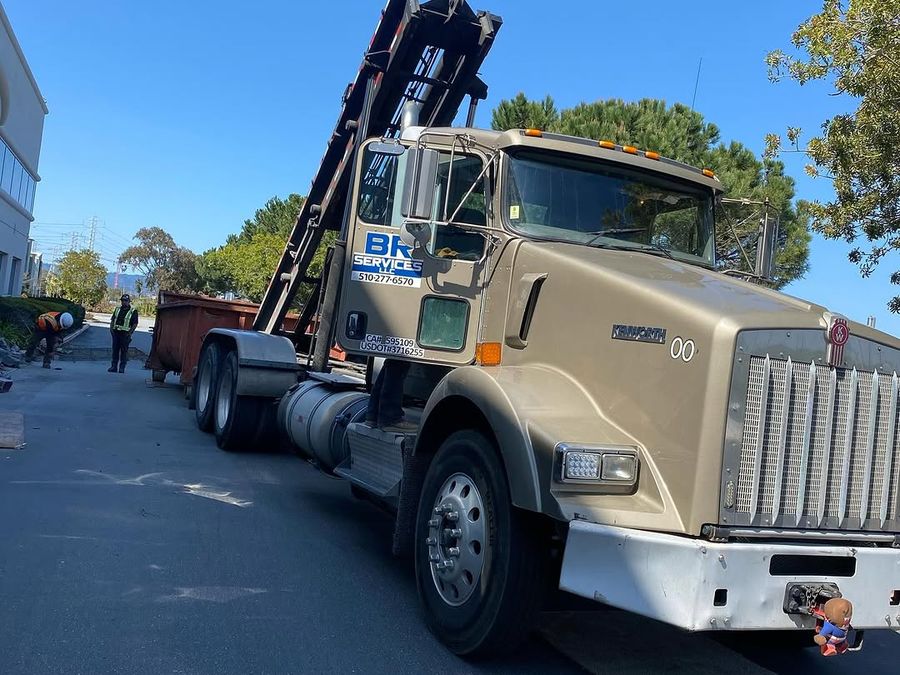
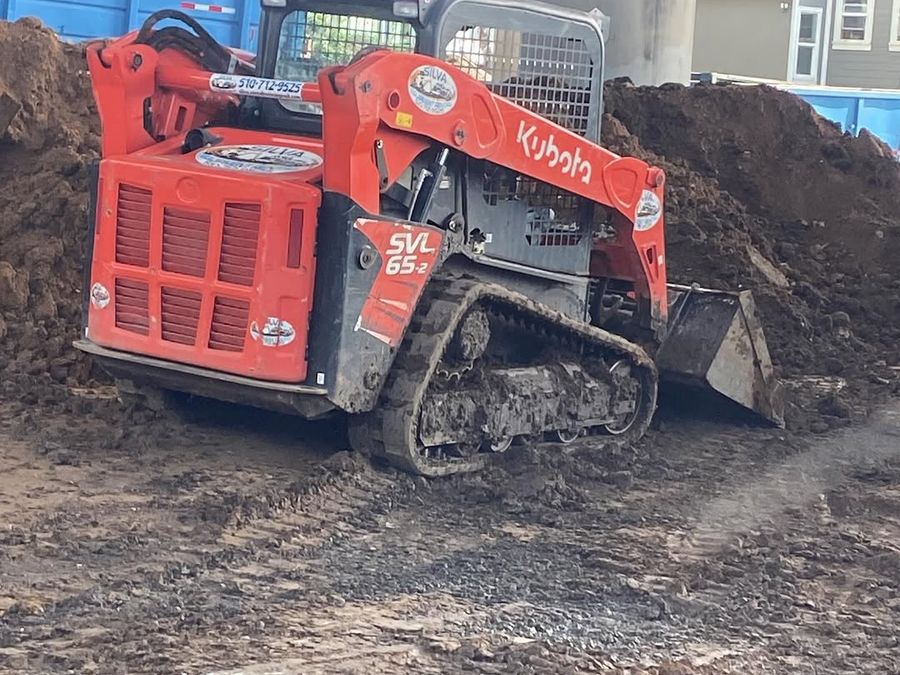
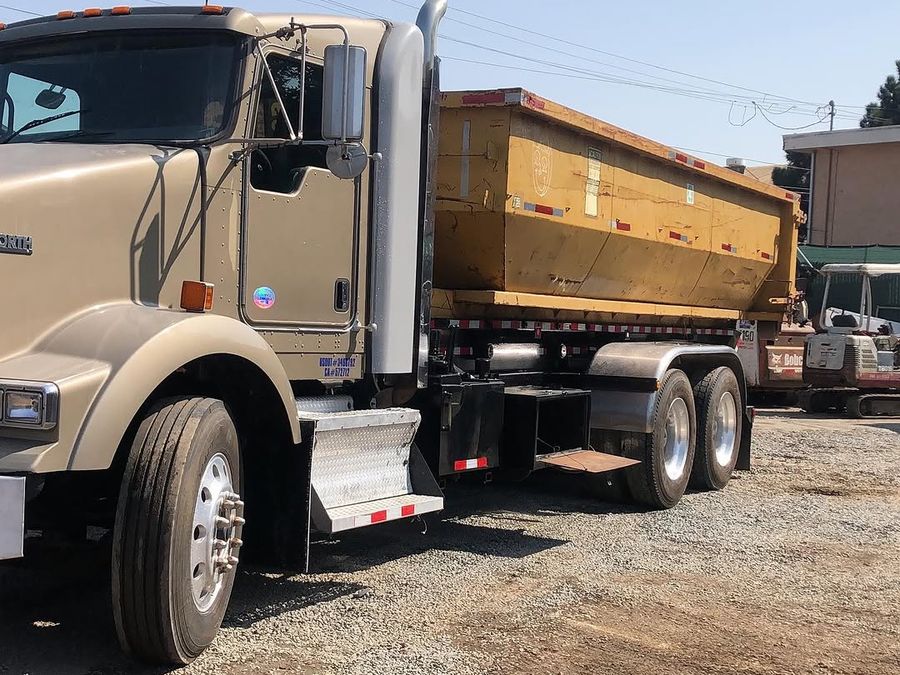
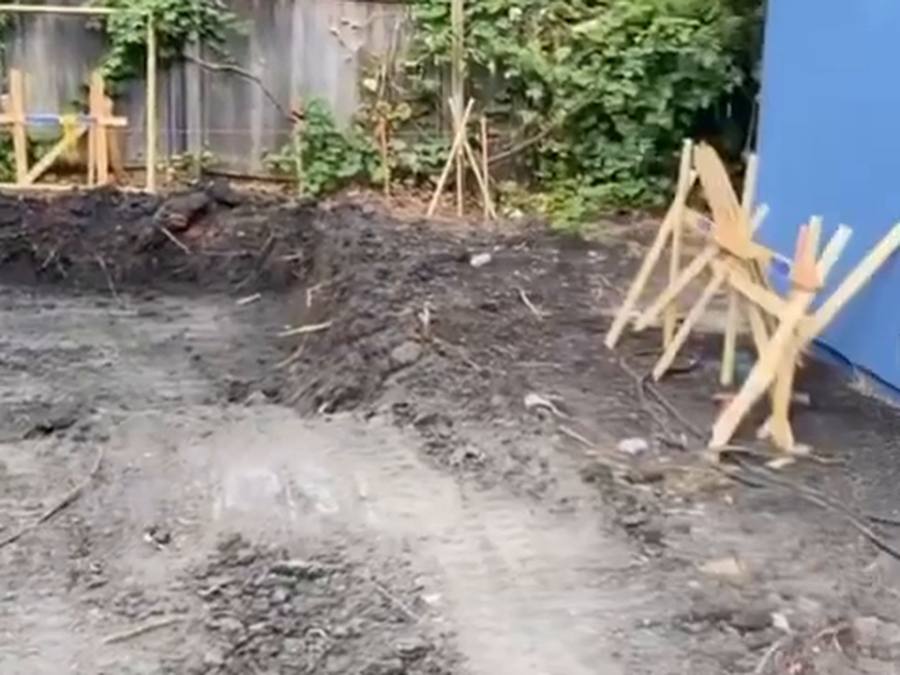
Construction Dumpster Rental on site
The four stages a dumpster rental job moves through on an East Bay property, in order.
Questions
Seven answers specific to dumpster rental
For a bathroom or small kitchen remodel, a small container is normally enough. Whole-house cleanouts and framing debris need a large one. Concrete, dirt, brick, and roofing should always go in a small container regardless of volume, because they hit the road weight limit long before the box is full.
Standard rental periods cover the length of a typical phase, and extensions are easy to arrange with a phone call. If your work stretches out, tell us before the term ends and we will keep the box in place instead of pulling it and charging for a second delivery.
In most cities around here, yes — street placement requires an encroachment permit, and some jurisdictions limit how many consecutive days a container may occupy a parking lane. A driveway placement generally avoids the permit entirely, which is why we look at your driveway first.
We place boards under the rails on concrete, asphalt, pavers, and stamped surfaces, which spreads the load and prevents point marks. Very hot days and soft asphalt are worth mentioning when you book so we can plan the placement accordingly.
No liquids, paint, solvents, oil, fuel, batteries, tires, appliances containing refrigerant, or anything classified as hazardous. Asbestos-containing material and treated medical waste are excluded as well. Ask before you load anything you are unsure about — it is far cheaper than a rejected load.
Please do not. Clean concrete, brick, and block go to a recycling facility at a lower rate, and mixing them with wood, drywall, and packaging turns the whole load into general waste at a higher tipping fee. Separate loads almost always cost you less overall.
Plan on roughly sixty feet of straight approach, twelve feet of width, and clear overhead space up to about twenty-two feet for the truck to raise the box. Low branches, wires, and parked cars are the usual obstacles, so it helps to keep the approach clear the morning of delivery.
Related work
Services that usually go with this one
Coverage
Where we work
Construction Dumpster Rental is available throughout our 20-mile radius. Access and haul distance are what move the price between addresses, not the city name.
Next step
Ready to price your dumpster rental job?
Send dimensions and a couple of photos, or book a free site visit. You will get a fixed number and the assumptions behind it.