
Earthwork
Excavation in San Pablo, CA
Foundation digs, basements, utility runs, and cut-and-fill shaped to the elevations your plans actually call for.
Overview
What excavation involves on a real property
Excavation is measured work. A footing trench that is two inches shallow fails inspection, and one that is six inches deep costs the concrete to fill it back. Because everything above ground is built off the elevations we cut, we treat depth, width, and slope as specifications rather than approximations, and we shoot grade as the dig progresses instead of checking it once at the end.
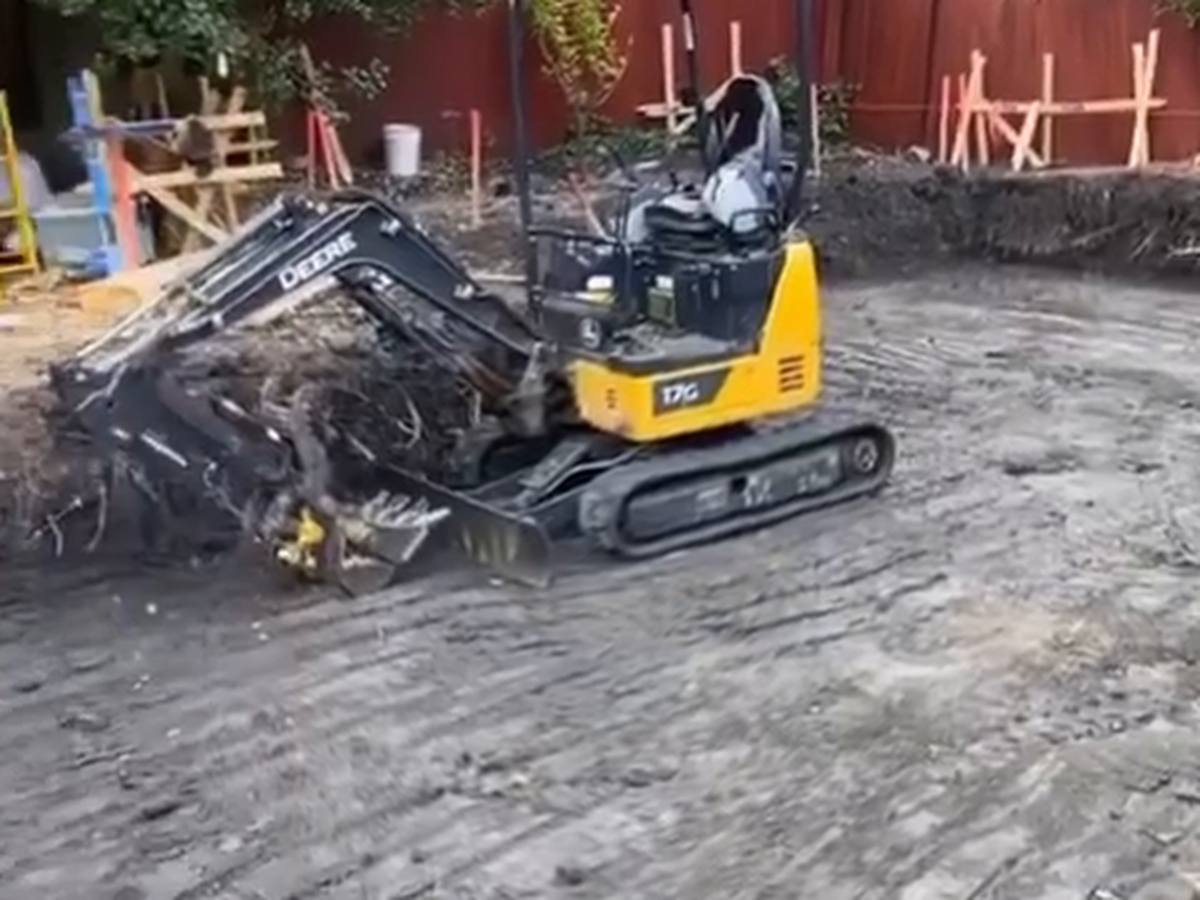
Our earthwork covers foundation and footing excavation, basement and crawl space digs, garage and shop pads, utility trenching, retaining wall keyways, driveway and patio sub-base cuts, and cut-and-fill on the sloped lots that make up so much of the terrain from El Sobrante through Orinda. Machine selection is part of the estimate: a compact excavator that fits through a five-foot gate is worth more on a Berkeley backyard than a larger unit that never gets past the driveway.
Soil in this part of the Bay Area rarely behaves the way a plan set assumes. Expansive clay swells and shrinks with the season, old fill turns up in neighborhoods built over creek channels, and serpentine and rock ledges appear at shallow depth on the hillsides. We log what we hit as we hit it, and we tell you the moment conditions diverge from the geotechnical report rather than quietly absorbing the difference and presenting a change order later.
Safety in a trench is not negotiable. Cal/OSHA requires protection for any trench five feet or deeper, and we apply the same discipline above four feet, using benching, sloping, or shoring appropriate to the soil class in front of us. Spoil piles are set back from the edge, access ladders stay within the required distance of any worker, and no one enters an unprotected excavation to save a few minutes.
The dig ends with a subgrade that a rebar crew or a plumber can work in the same day. Bottoms are cut flat and hand-cleaned where footings will bear, over-excavation is backfilled with the specified material rather than loose spoil, and excess soil either goes into an on-site fill area you approve or leaves the property on our trucks.
What you get
Six things this service is built around
Grade shot as we dig
Depths and slopes are checked continuously against your plan elevations, so footings and trenches pass inspection the first time an inspector looks at them.
Equipment sized to the access
Compact machines reach backyards through standard gates, so you are not paying for demolished fencing to get an oversized excavator into position.
Trench protection by soil class
Benching, sloping, or shoring is selected for the soil actually in front of us, following Cal/OSHA requirements rather than habit.
811 locating before the bucket
Underground utilities are marked through USA North 811 and confirmed by hand where lines are dense or the marks look questionable.
Honest conditions reporting
Rock, groundwater, buried debris, and undocumented fill are reported when found, with photos, before extra work is performed.
Spoil handled either way
Excess soil is placed and compacted in an approved on-site area or hauled off the same day, depending on which is cheaper for your project.
Scope
What is included
Anything outside this list is quoted separately and approved before it happens.
Layout and locating
- Corner and offset staking from your plans
- USA North 811 ticket and mark verification
- Hand potholing near marked services
- Benchmark and reference elevation set
The dig
- Footing, pad, and basement excavation
- Utility and drain trenching
- Keyway and retaining wall cuts
- Cut-and-fill on sloped lots
Protection and control
- Sloping, benching, or shoring as required
- Spoil setback and edge protection
- Erosion and sediment control measures
- Plating or fencing over open cuts
Subgrade and backfill
- Flat, hand-cleaned bearing surfaces
- Specified backfill in lifts
- Compaction to the required density
- Rough grade left ready for the next trade
Process
How the work runs, step by step
Plan review and layout
We read the foundation plan and geotechnical report, set a benchmark on site, and stake the cut lines and offsets before mobilizing equipment.
Locating and access
The 811 ticket is placed, marks are verified by hand where needed, and the machine route, spoil area, and truck staging are laid out to keep the site workable.
Excavation to grade
Material is cut in controlled lifts, elevations are checked as depth is reached, and protection is installed as the walls of the excavation get taller.
Bottom preparation
Bearing surfaces are trimmed flat and cleaned by hand, soft spots are over-excavated and replaced with engineered fill, and grade is confirmed for inspection.
Backfill and cleanup
Approved material goes back in lifts and is compacted to spec, spoil leaves or is placed on site, and the working area is left graded and safe.
Why hire a contractor
Where doing it yourself usually costs more
A rented excavator does not come with judgment about soil. The difference between a trench that stands overnight and one that collapses on a worker is a reading of moisture, cohesion, and layering that comes from thousands of hours in the seat. Cal/OSHA treats unprotected trenches as a serious violation for a reason: soil failure gives no warning, and a cubic yard of it weighs about as much as a small car.
Underground utilities are the second reason. A marked line is only approximately where the paint says, and the East Bay is full of unrecorded irrigation, low-voltage, and abandoned services that never made it onto a map. Striking a gas main triggers evacuation, fire response, and liability that no residential budget absorbs. Hand potholing near marks is slow, unglamorous, and the entire reason experienced crews rarely hit anything.
Then there is the paperwork side of accuracy. Foundation excavation is inspected, and a bottom that is out of tolerance sends the whole schedule backward: concrete cancelled, crew idle, inspection re-fee paid, calendar pushed a week. Cutting to plan elevation the first time is not perfectionism. It is the cheapest part of the entire foundation sequence.
Real projects
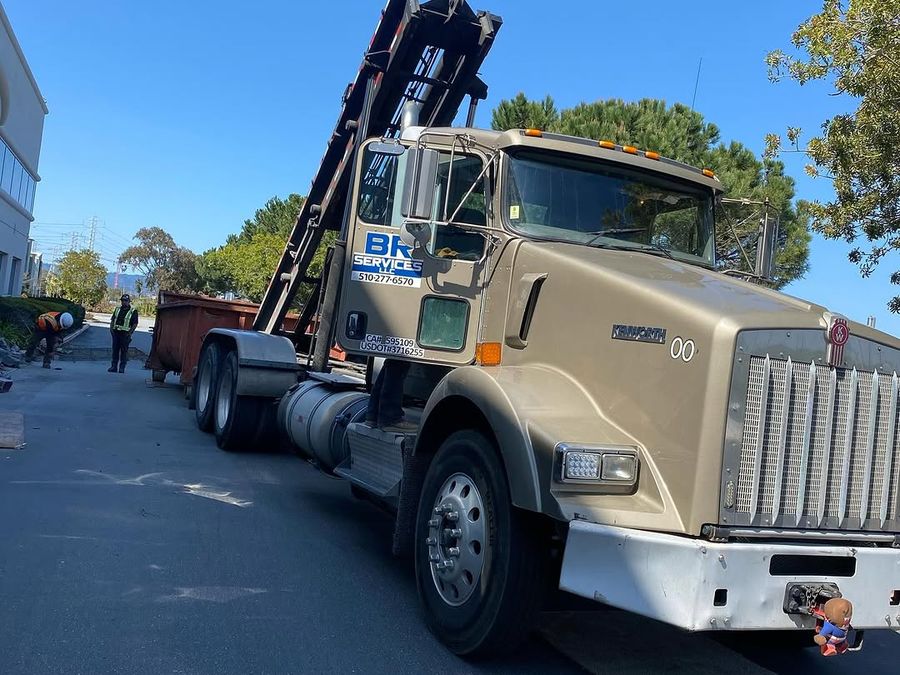
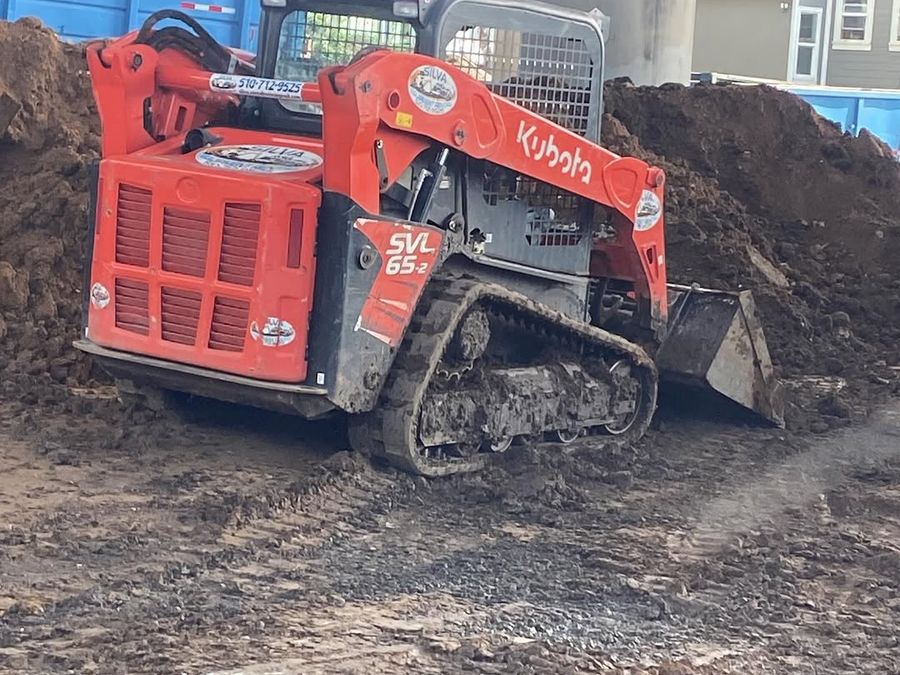
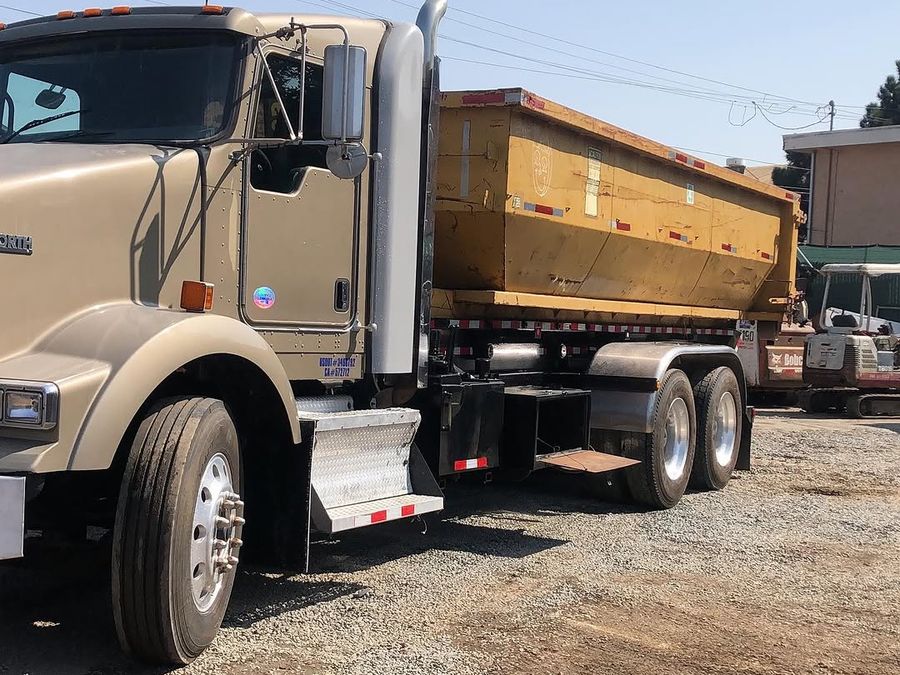
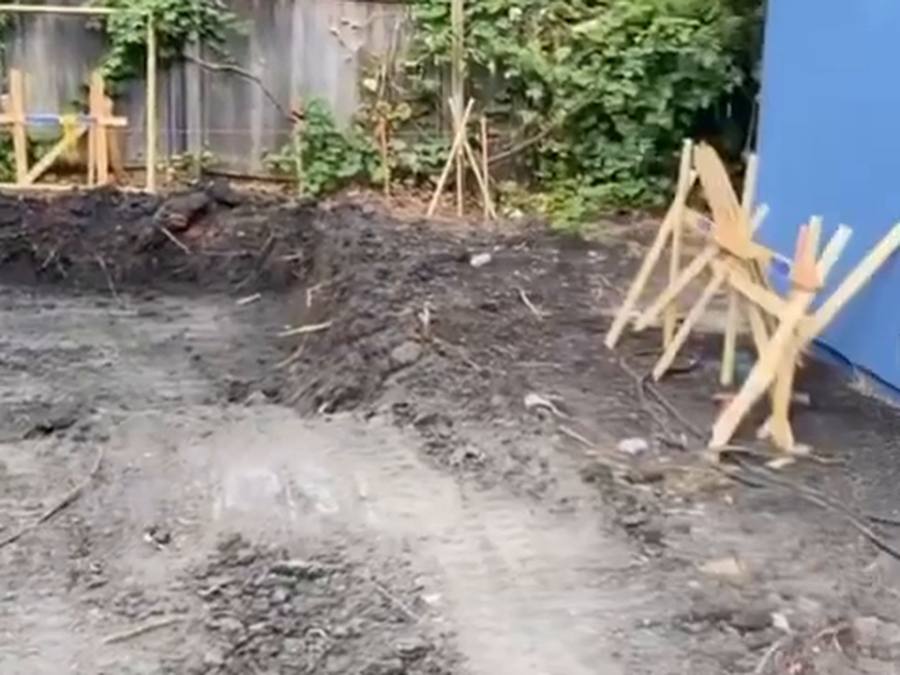
Excavation on site
The four stages a excavation job moves through on an East Bay property, in order.
Questions
Seven answers specific to excavation
Our equipment handles typical residential depths for footings, crawl spaces, basements, and utility runs. Beyond roughly ten feet, or against a property line or existing foundation, the limiting factor becomes shoring design rather than machine reach, which means an engineer's detail needs to be part of the plan.
Usually. Compact excavators pass through openings of about three feet, and mini track loaders go narrower. During the site visit we measure your tightest pinch point — gate, side yard, gap between the house and fence — and tell you which machine fits and what, if anything, needs to come off temporarily.
We stop, document what we found with photos and depth, and price the options: a hydraulic breaker attachment, a redesigned bearing elevation with your engineer, or a shift in the footprint. You approve the direction before any additional work happens. We never bill rock excavation as a surprise.
We place the ticket, since the marks need to match the actual dig area and be current on the day we mobilize. You should tell us about anything private and unmarked, though — irrigation, landscape lighting, a septic line, a pool feed — because 811 only locates member utility lines, not what a previous owner installed.
Your call. Clean soil can often be spread and compacted in a low area of the property, which costs less than trucking. When there is nowhere to put it, or the material is unsuitable, it leaves on our trucks and is priced by the load. We quote both so the comparison is visible.
The clay soils common through Richmond, El Cerrito, and the Contra Costa hills change volume with moisture, which is why plans often specify deeper footings, moisture conditioning, or a select fill layer. We follow the geotechnical recommendations for your lot exactly and flag it if what we uncover does not match the report.
Yes, and hillside work is a large share of what we do here. Sloped excavation requires bench cuts, careful equipment positioning, drainage control so the cut does not become a channel, and often a retaining structure. Those items get planned in the estimate rather than discovered mid-dig.
Related work
Services that usually go with this one
Coverage
Where we work
Excavation is available throughout our 20-mile radius. Access and haul distance are what move the price between addresses, not the city name.
Next step
Ready to price your excavation job?
Send dimensions and a couple of photos, or book a free site visit. You will get a fixed number and the assumptions behind it.