
Auger work
Post Hole Drilling in San Pablo, CA
Clean, plumb, consistent-depth holes for fences, decks, gates, signs, and shade structures.

Overview
What post hole drilling involves on a real property
Post holes are the least visible part of a fence or deck and the part that decides how long it lasts. A hole that is shallow, out of plumb, or belled at the bottom puts the post in a position it cannot recover from, and no amount of concrete corrects it. Drilling with a machine-mounted auger produces holes of consistent diameter and depth, which is why a professionally drilled fence line stays straight years after installation.
We drill for wood and vinyl fence lines, gate and driveway gate posts, deck footings, pergolas and patio covers, carports, shade sails, sign and light poles, mailbox and flag installations, and agricultural fencing. Diameters typically range from six to twenty-four inches, with depths set by your structure and by what your city's code requires for the post height and load in question.
Soil in the East Bay makes hand digging particularly unrewarding. The heavy clay through Richmond and San Pablo comes out in dense plugs and turns rock-hard in late summer, and the hillside lots from El Sobrante up through Orinda hit rock and cemented gravel within the first couple of feet. An auger with real down-pressure gets through material where a hand digger stalls, and does it without the three days of effort a long fence line otherwise demands.
Layout comes before drilling. We work from your string line or set one, mark each location, and confirm the spacing against the panel or joist dimension you are actually using, because a fence line laid out to nominal spacing rarely closes cleanly at the last post. Where the run crosses a slope, we plan the step or rake so post heights work out before the holes exist.
Locating is mandatory, not optional. Fence lines follow property boundaries, and property boundaries are exactly where gas services, water laterals, electrical feeds, and irrigation mains tend to run. We place an 811 ticket, verify marks, and hand pothole where a hole falls near a marked line. It is slower. It is also why we have never turned a fence job into a utility repair.
What you get
Six things this service is built around
Consistent depth and diameter
Every hole matches the spec, which means uniform concrete volume, uniform embedment, and a post line that does not lean in year three.
Plumb holes, straight lines
Layout is verified against your actual panel or joist spacing before drilling, so the last post lands where it should.
Through clay and hard ground
Machine down-pressure gets through the dense clay and cemented gravel that stop hand augers and post diggers around here.
811 located and hand verified
Boundary lines are where utilities hide. Marks are requested and confirmed, and holes near services are potholed by hand first.
Spoil handled
Auger cuttings are collected rather than left in mounds along the fence line for you to redistribute afterward.
Small jobs welcome
Four holes for a pergola is a normal call, not an inconvenience, and it is scheduled the same way a hundred-post run would be.
Scope
What is included
Anything outside this list is quoted separately and approved before it happens.
Layout
- String line and post spacing set
- Spacing checked against real panel width
- Slope steps and rake planned
- Corner, gate, and terminal posts marked
Locating
- USA North 811 ticket placed
- Mark verification on site
- Hand potholing near services
- Private line discussion with you
Drilling
- Six to twenty-four inch diameters
- Depth to code or engineered spec
- Clean sidewalls and flat bottoms
- Rock and hardpan handled where present
Cleanup
- Cuttings collected and removed
- Holes covered or flagged if left open
- Lawn and hardscape protection on the route
- Walk-through and count confirmation
Process
How the work runs, step by step
Confirm the layout
We set or verify the string line, mark every hole, and check spacing against the actual materials so the run closes correctly at the end.
Locate utilities
The 811 ticket goes in ahead of the work, marks are verified on site, and any hole falling near a marked service is opened by hand first.
Set depth and diameter
Depth follows the code requirement or engineered detail for your post height and load, and diameter follows the concrete coverage that specification requires.
Drill the run
Holes are augered plumb, to matching depth, with sidewalls left clean so concrete bonds evenly around the full embedment.
Clean and hand off
Cuttings are removed, open holes are covered or flagged for safety, and we confirm the count and depths with you before leaving.
Why hire a contractor
Where doing it yourself usually costs more
The arithmetic of a fence line is what convinces most people. A hundred-foot fence needs roughly twelve to fourteen holes, and in dry East Bay clay a hand auger takes the better part of an hour each — a full weekend of the hardest labor available, with a rental fee attached. A machine auger does the same run in a fraction of a day and produces holes that are actually the same as one another.
Depth compliance is the technical argument. Fence and structure posts are governed by code requirements tied to height, exposure, and soil, and inspectors on deck and patio cover permits check embedment. A hand-dug hole that stopped when the digger hit hard clay at twenty inches instead of the specified thirty is a failed inspection and a rebuild, since correcting embedment after the concrete cures means removing the post entirely.
The last reason is the one that ends projects badly. Property lines carry utilities. Gas services cross them, water laterals run near them, and irrigation and low-voltage lines are almost never on any map. A hand digger can find a gas line just as effectively as a machine can, and with less warning. Locating, verifying, and potholing before drilling is the whole difference between a routine fence job and a fire department response.
Real projects
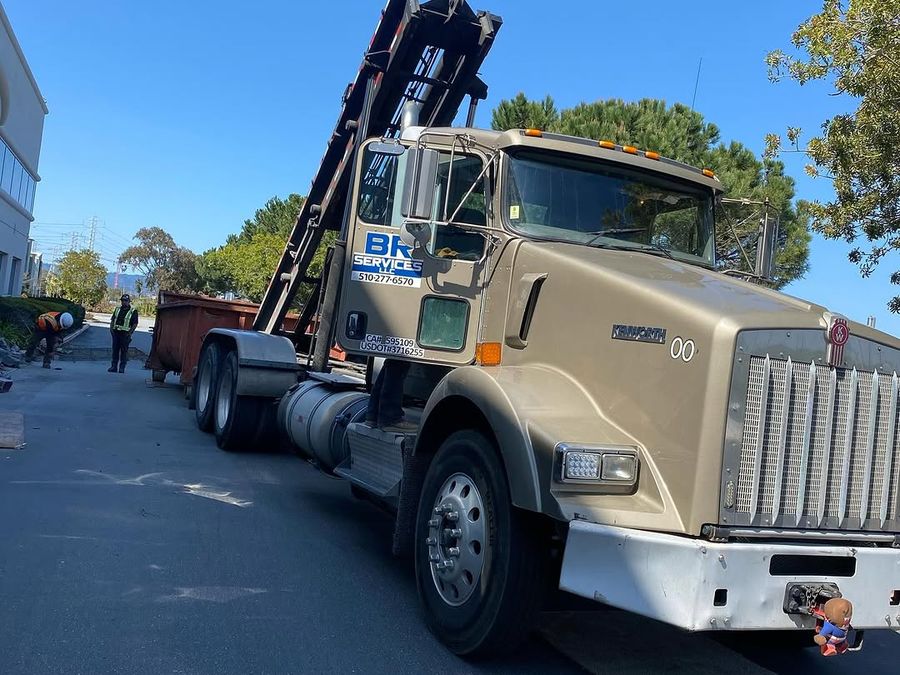
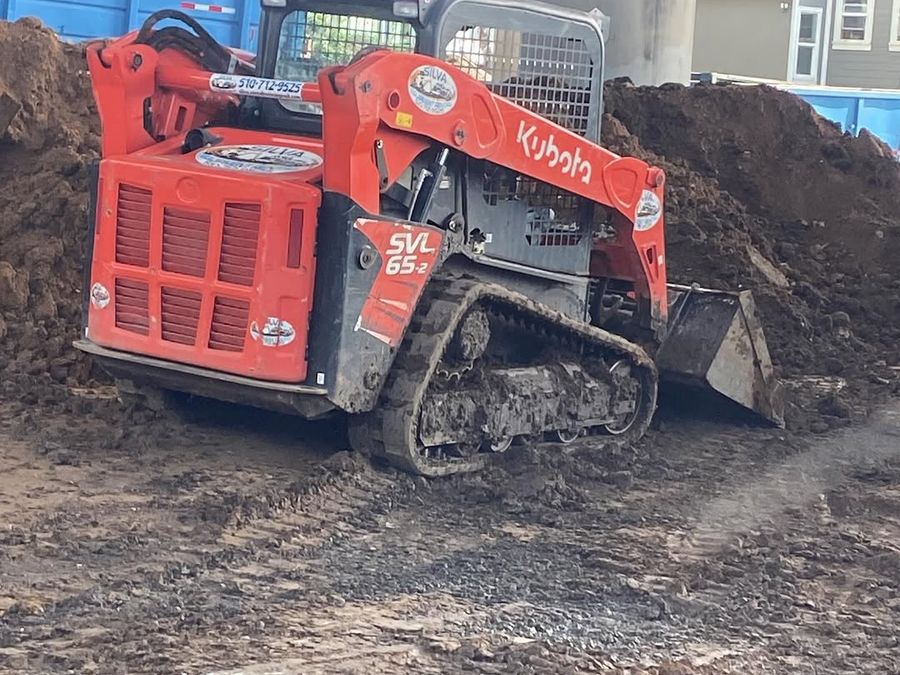
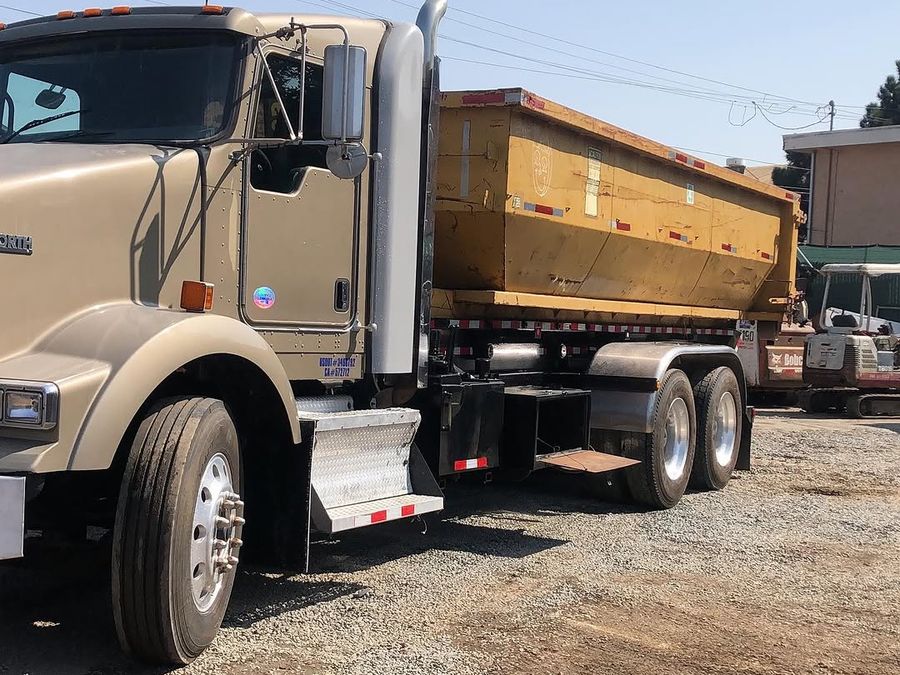
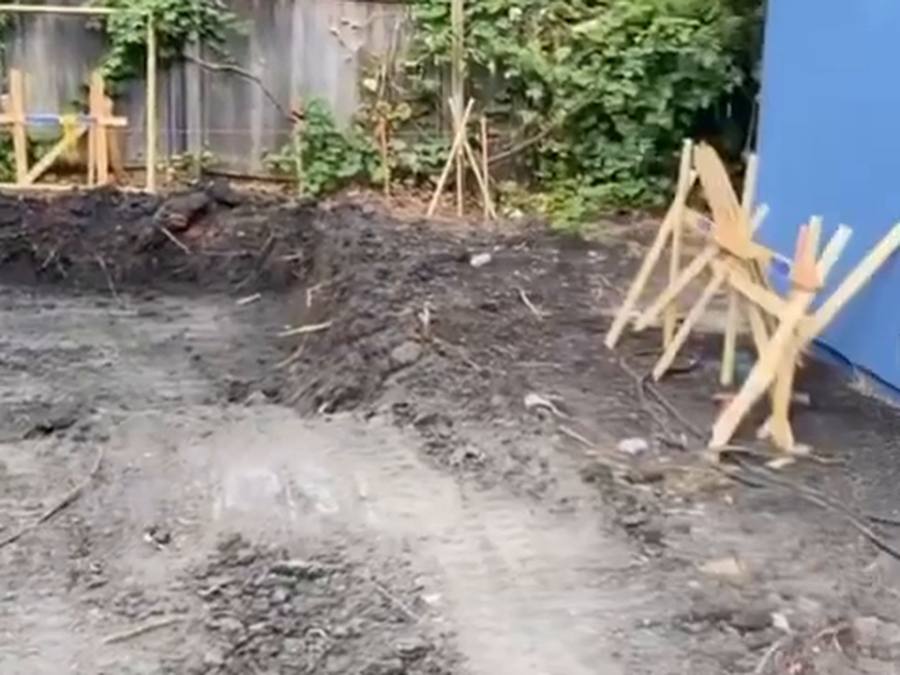
Post Hole Drilling on site
The four stages a post hole drilling job moves through on an East Bay property, in order.
Questions
Seven answers specific to post hole drilling
The common rule is one third of the post's above-ground height, with a practical minimum around two feet for residential fencing, adjusted for your soil and local code. Gate posts, corner posts, and anything above six feet go deeper. We confirm the requirement for your city and post height before drilling.
Typically six to twenty-four inches. A standard four-by-four fence post wants about a ten-inch hole to allow proper concrete coverage on all sides, a six-by-six gate post wants twelve or more, and deck and structure footings follow the engineered detail on your plans.
Often, yes. Rock augers and down-pressure handle cemented gravel, hardpan, and moderate rock, which are common on the hillside lots here. Solid bedrock at shallow depth sometimes calls for a different foundation approach, and if we hit it we will tell you rather than keep grinding.
We drill, and we can coordinate the concrete when it is part of a larger scope we are already performing. Many clients have us drill the run and then set posts themselves or with their fence contractor. Tell us which you want so the holes are left in the right condition.
Production depends far more on soil and access than on quantity. In workable ground a long residential fence line is comfortably a single day. Rocky hillside conditions, tight backyard access, or large-diameter structural footings slow it down, and we will give you a realistic day count in the estimate.
It is collected and removed unless you want it kept for backfill or garden use. Auger cuttings left on a fence line look minor at first and become a real chore to redistribute once they dry out, so we clear them as part of the job.
Yes, and this is exactly where care matters most. We ask you to confirm the boundary location — a survey if there is any doubt — and we locate utilities before drilling. Uncertainty about a boundary is worth resolving before holes exist rather than after a fence is standing in them.
Related work
Services that usually go with this one
Coverage
Where we work
Post Hole Drilling is available throughout our 20-mile radius. Access and haul distance are what move the price between addresses, not the city name.
Next step
Ready to price your post hole drilling job?
Send dimensions and a couple of photos, or book a free site visit. You will get a fixed number and the assumptions behind it.