
Backfill and reclaim
Swimming Pool Removal in San Pablo, CA
Reclaim the yard: partial or full pool removal, engineered backfill, and a surface you can plant or build on.
Overview
What swimming pool removal involves on a real property
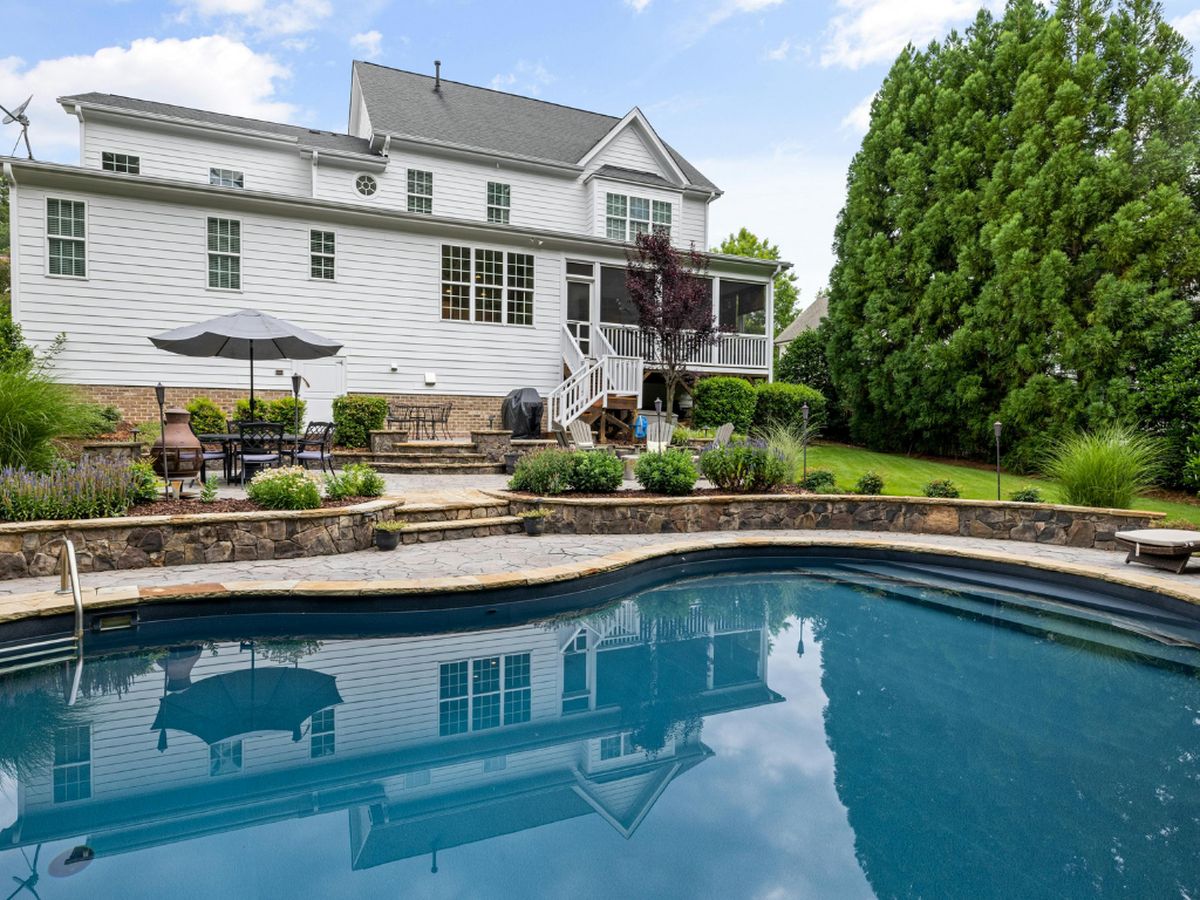
A pool nobody swims in is an expense with a fence around it. Between chemicals, pump electricity, repairs, and insurance considerations, an unused pool costs real money every year while occupying the best part of the yard. Removal converts that liability into usable ground — lawn, patio, garden, play space, or in some cases a footprint for an accessory dwelling unit.
There are two ways to do it, and the difference matters far more than most homeowners are told. A partial removal breaks the top ring of the shell down below grade, punches drainage holes through the floor, and backfills the void. A full removal takes out the entire shell, plumbing, and steel and backfills the excavation completely. Both are legitimate. They differ in cost, in schedule, and in what you can legally build on the ground afterward.
Partial removal is faster and less expensive, which is why it is the common choice for yards that will become landscape. Because engineered fill sits over a broken shell, most jurisdictions treat the area as non-buildable, and California law requires the removal to be disclosed when you sell. That disclosure is not a problem in itself — buyers accept it routinely — but it needs to be a decision you made, not a surprise you discover at closing.
Full removal costs more and takes longer, and it is the right answer when the footprint will carry structure, when you want the cleanest possible disclosure position, or when a future ADU or addition might reach over the old pool. We will tell you plainly which one your plans call for, including when the cheaper option is genuinely the better buy.
Whichever route you take, the backfill is the part that determines whether the yard stays flat. Fill placed in thin lifts and compacted with the right equipment holds its elevation. Fill dumped in one pass settles, and settlement over a pool footprint shows up as a dish in the lawn, a cracked patio, or a fence line that dips. We place in lifts, compact each one, and can arrange compaction testing when a permit or a future build requires documentation.
What you get
Six things this service is built around
Both methods explained honestly
You get the real cost, schedule, and long-term consequence of partial versus full removal before choosing, including the disclosure implications.
Backfill placed in compacted lifts
Material goes in thin layers and each is compacted, which is the only reliable way to keep the surface from dishing over the next few winters.
Drainage designed into the fill
The floor is opened and drainage provided so groundwater cannot collect in the void and lift or saturate the fill.
Plumbing and equipment dealt with
Lines are cut and capped, the pump, heater, and filter are removed, and the electrical circuit is safely disconnected.
Access solutions for tight yards
Compact equipment, conveyor loading, and staged hauling let us reach pools behind houses without removing your fence.
Compaction testing available
When a permit or a future structure needs proof, we coordinate testing so you have documentation instead of assurances.
Scope
What is included
Anything outside this list is quoted separately and approved before it happens.
Planning
- Partial versus full recommendation
- Permit requirements for your city
- Access and equipment plan
- Water discharge handled correctly
Demolition
- Deck and coping removal
- Shell breakout to the agreed depth
- Steel and plumbing removal
- Equipment pad and hardware cleared
Backfill
- Drainage penetrations through the floor
- Approved fill material delivered
- Placement in compacted lifts
- Optional geotechnical testing
Finish
- Surface graded to drain away from the house
- Topsoil layer where landscape follows
- Debris hauled and site swept
- Photo record of each stage
Process
How the work runs, step by step
Assessment and choice
We measure the pool, check access, review what you plan to do with the space, and lay out partial and full removal side by side with real numbers.
Permits and drain-down
The permit is pulled where required, and the water is drained to an approved point of discharge rather than across your neighbor's yard or into a storm drain.
Demolition
Decking and coping come off, the shell is broken to the agreed depth, and reinforcement steel and plumbing are pulled out and separated for recycling.
Drainage and backfill
The floor is penetrated for drainage, then approved fill is placed in lifts and compacted layer by layer to the required density.
Final grade and handoff
The surface is shaped to shed water away from structures, topsoil is placed if landscaping follows, and the site is cleaned and photographed.
Why hire a contractor
Where doing it yourself usually costs more
Pool removal is the job where cutting corners is most visible three years later. A void that was not drained, or fill that was placed in one lift and driven over instead of compacted, produces settlement — a low spot in the lawn after the first wet winter, then a crack in the patio poured over it, then a fence that no longer lines up. Correcting settlement means excavating the fill and doing the work again.
The regulatory side is equally unforgiving. Draining a pool means dealing with chlorinated water, and discharging it into a storm drain is prohibited across the Bay Area. Removal requires a permit in most cities here, inspections are commonly tied to the backfill stage, and California disclosure law expects a partial removal to be reported at sale. Handling those items in order is ordinary for a contractor who does this work and genuinely difficult for someone doing it once.
There is also the matter of what the space becomes. If an ADU, addition, garage, or even a large patio might sit over the footprint, that decision has to be made before the fill goes in, because building over an undocumented partial removal usually means digging it back out. The value of experience here is mostly in asking the right question at the start.
Real projects
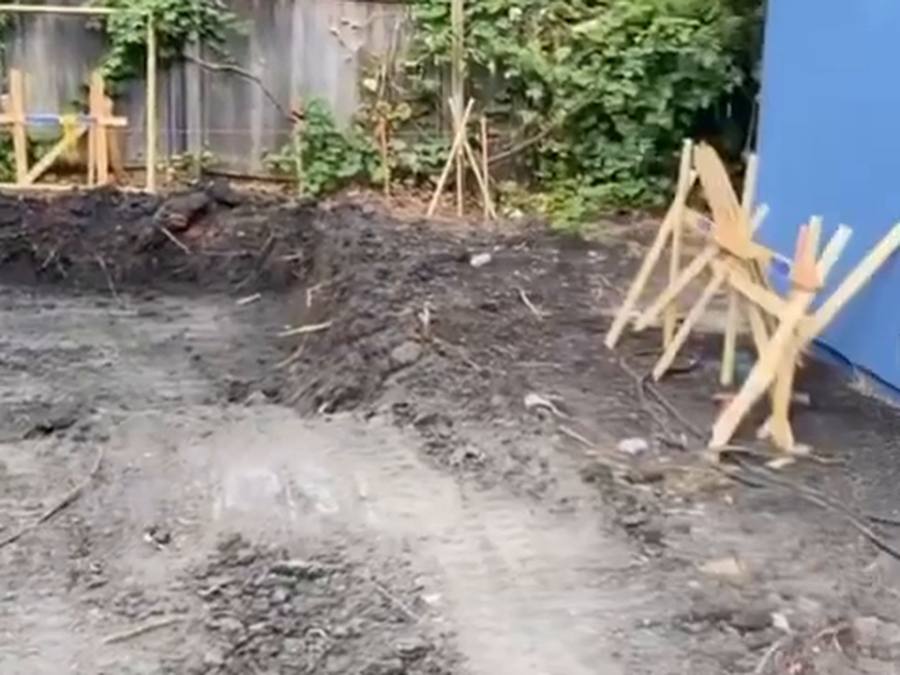
Swimming Pool Removal on site
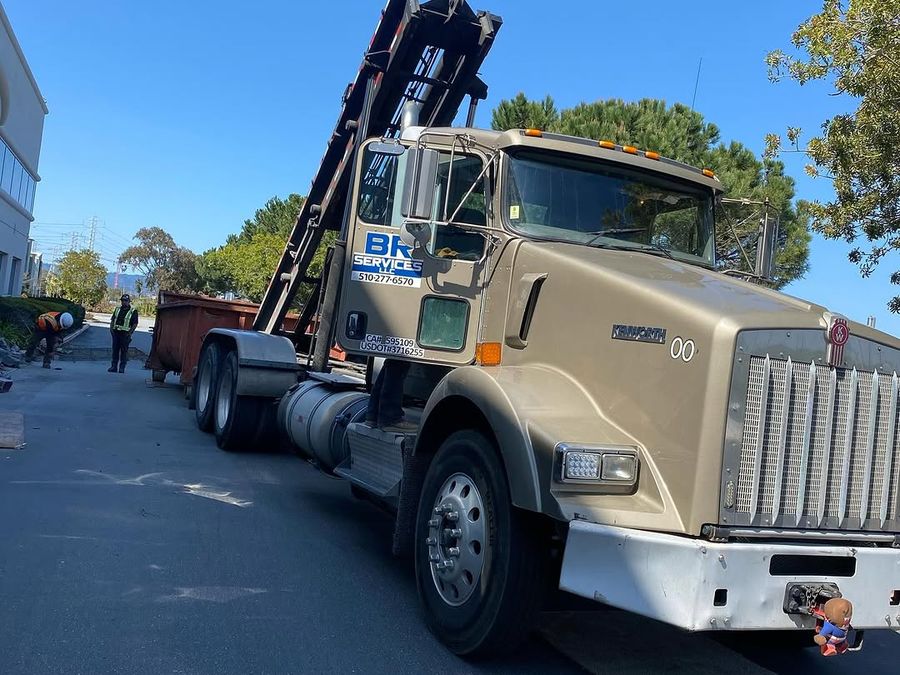
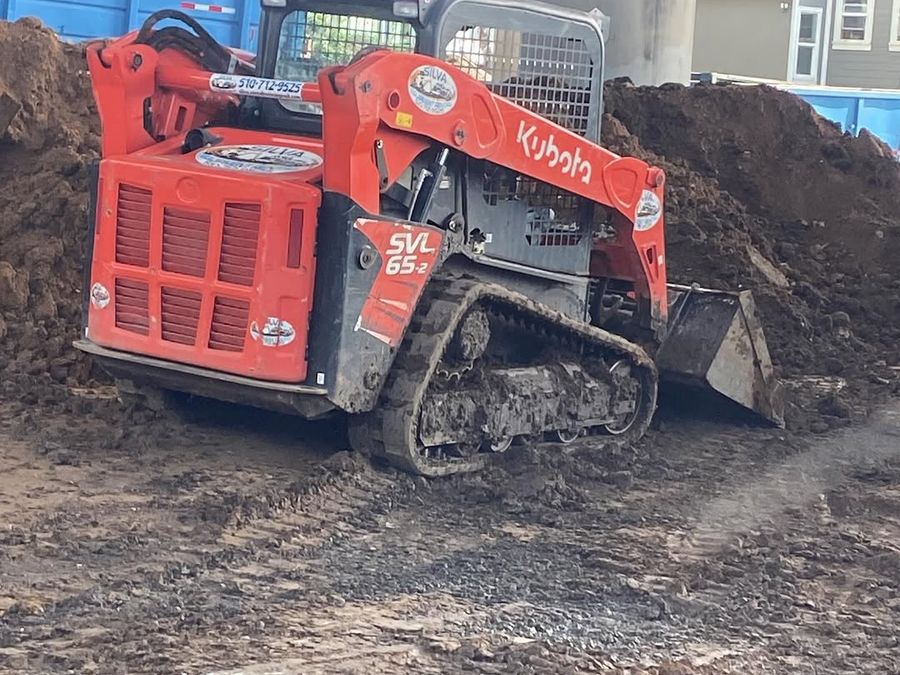
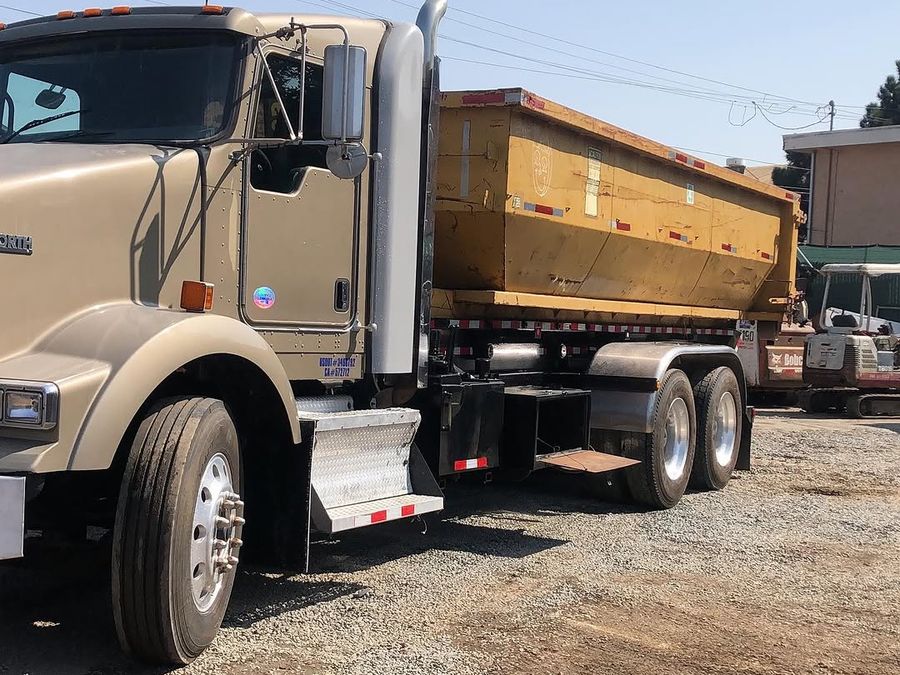
The four stages a pool removal job moves through on an East Bay property, in order.
Questions
Seven answers specific to pool removal
Partial removal breaks the top of the shell down below grade, opens the floor for drainage, and backfills the void. Full removal takes out the entire shell, steel, and plumbing. Partial is faster and cheaper; full leaves buildable ground and the simplest disclosure position at resale.
A typical partial removal runs a few days including drain-down, demolition, and backfill. Full removal takes longer because there is far more material to break out and haul away. Tight access, wet weather, and inspection scheduling are the factors that most often extend either one.
California requires disclosure of known material facts about a property, and a filled pool is one of them. In practice this is routine and buyers are used to it — what causes problems is an undocumented removal discovered during a buyer's inspection. Keep your permit and compaction records; they turn a question into a non-issue.
Over a full removal with compacted, tested fill, generally yes, subject to your city and your engineer. Over a partial removal, generally no, because the fill sits on a broken shell and cannot be certified for bearing. If a structure is anywhere in your plans, choose full removal.
To an approved discharge point, which around here usually means the sanitary sewer with the water dechlorinated first, following your local wastewater agency's requirements. Storm drains are not an option. We handle the drain-down as part of the job so this is not something you have to research.
Approved granular fill and clean soil, placed in lifts of a controlled thickness and compacted individually. We do not use the demolition rubble as fill unless it has been properly processed and the jurisdiction allows it. When documentation matters, we schedule a geotechnical technician to test the lifts.
Access is planned to avoid it. Track machines spread their weight, plywood or mats protect lawns and hardscape on the travel route, and where the gap is genuinely too narrow we use smaller equipment and conveyor loading. Any protection needs and any unavoidable impact are discussed before we start.
Related work
Services that usually go with this one
Coverage
Where we work
Swimming Pool Removal is available throughout our 20-mile radius. Access and haul distance are what move the price between addresses, not the city name.
Next step
Ready to price your pool removal job?
Send dimensions and a couple of photos, or book a free site visit. You will get a fixed number and the assumptions behind it.