
Permits · 7 min read
Demolition Permits in the East Bay: What to Settle Before the Machine Arrives
A teardown rarely stalls because of the machine. It stalls because a utility disconnect was requested three weeks too late. Here is the sequence that works.
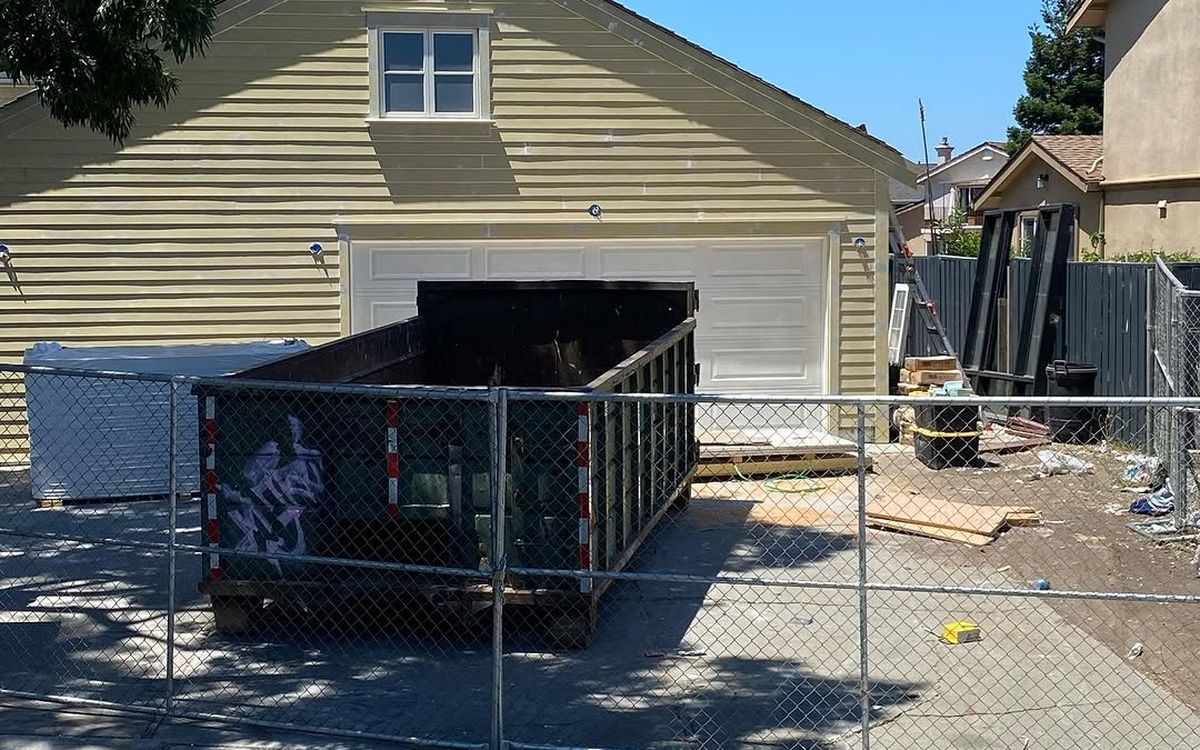
Almost every delayed demolition we are called into was not delayed by equipment, weather, or crew availability. It was delayed by paperwork that had to happen in a particular order, started in the wrong order. The permit itself is usually the easy part. The disconnects, sign-offs, and inspections wrapped around it are what set the calendar, and they are what people learn about last.
This is a plain walk through how demolition approval actually works for residential and light commercial property in San Pablo, Richmond, El Cerrito, Berkeley, and the unincorporated parts of Contra Costa County. It is not legal advice, and every jurisdiction publishes its own current requirements. But the shape of the process is consistent enough to plan around.
Start with the question of whether you need one
The instinct that a small structure does not require a permit is right slightly less often than people hope. Detached garages, additions, carports, sheds above a modest footprint, chimneys, and retaining walls above a certain height are generally permitted work when they come down. So is interior demolition that touches structural framing, and so is anything that changes the building footprint on record.
The genuinely exempt items tend to be small and non-structural: a fence, a small shed, a deck below a threshold height, or the interior finish removal that does not touch framing or the systems inside walls. Even there, the exemption is jurisdiction-specific, and the cheapest phone call in a project is the one that confirms it before rather than after.
Unpermitted structures make it more complicated, not less
A surprising share of East Bay backyards contain an addition or a converted garage that was never permitted. Owners sometimes assume that removing an unpermitted structure needs no permission, since the building does not officially exist. In practice the demolition still requires approval, and the process can surface the original violation. That is usually resolvable, and removing the structure is often what resolves it, but it needs to be handled deliberately with your building department rather than quietly.

The disconnects are the real schedule
This is the part that costs people weeks. Most building departments will not issue a demolition permit until the utilities serving the structure are formally disconnected, and the sign-offs come from the utility companies rather than from the city. In this region that generally means gas and electric service termination through the utility provider, water service disconnection through your local water district, and a sewer cap verification.
None of those happen on demand. Each has its own request process, its own scheduling queue, and its own documentation that the building department then wants to see. Requesting them in parallel, at the very beginning, is the single highest-leverage decision in a demolition project.
- Gas and electric service termination — requested directly with the utility, often the longest lead item
- Water service disconnection or meter removal — through the water district serving your address
- Sewer lateral cap and verification — sometimes requiring an inspection of the cap itself
- Rodent abatement certification — required by some jurisdictions before a permit is issued
- Asbestos and lead survey — required by air quality regulation on most older structures
The air quality requirement people miss
In the nine-county Bay Area, demolition is regulated by the Bay Area Air Quality Management District in addition to your city. The district's rules require an asbestos survey by a certified inspector before demolition of most structures, and require notification before work begins. This applies to residential demolition far more broadly than owners expect, and the notification carries its own waiting period.
The practical consequence is that a survey should be commissioned early. If it comes back clean, you have a document the building department will likely ask for anyway. If it identifies asbestos-containing material — common in siding, floor mastic, duct wrap, and roofing on anything built before the late 1970s — then abatement by a certified contractor has to happen before demolition, on its own schedule.
Assume any structure built before roughly 1980 contains regulated material until a survey says otherwise. Discovering it mid-demolition is far more expensive than finding it on paper first.
What the application itself usually asks for
The demolition permit application is comparatively simple. Expect to provide the site address and parcel number, a description of the structure coming down, a site plan showing what is being removed and what remains, proof of the utility disconnects, the asbestos survey and notification, and contractor license and insurance information. Some jurisdictions also require a debris diversion plan committing to recycle a percentage of the material.
The diversion plan is not a formality
Construction and demolition debris ordinances are active across this region, and they typically require that a share of material be diverted from landfill, documented with weight tickets from recycling facilities. This is one of several reasons a demolition crew sorts material as the structure comes down. Clean concrete, scrap metal, and untreated lumber each go to a different facility at a lower rate, and the tickets are what close out the permit.
A sequence that works
Set out in order, with the long-lead items started first, the process is manageable. What follows is roughly how we advise clients to run it.
- Week one: commission the asbestos and lead survey, and submit all utility disconnect requests simultaneously
- Week one: confirm with your building department exactly which documents your address requires
- Weeks two to four: abatement if the survey requires it; collect disconnect confirmations as they arrive
- On receipt of documents: submit the demolition permit application with survey, disconnects, and diversion plan
- After issuance: file the air district notification and observe its waiting period
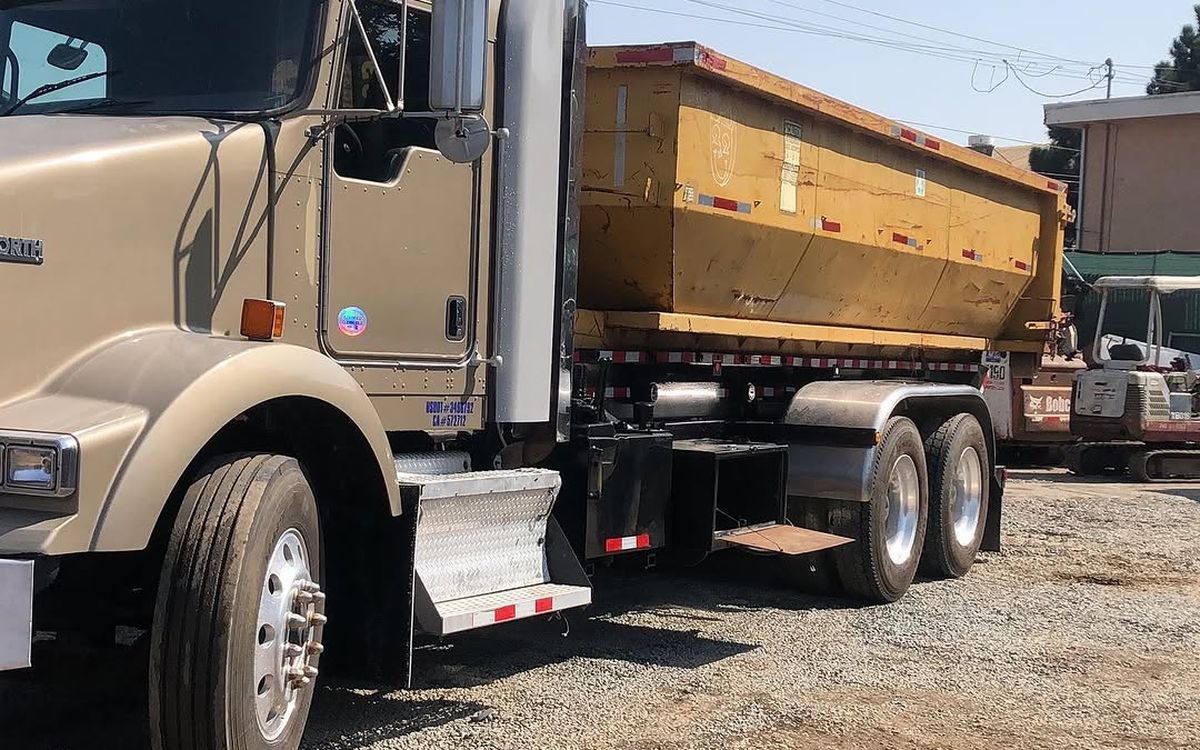
- Then: schedule the teardown, the container, and the haul-off
Run that way, the permit is issued around the time the abatement finishes, and demolition begins the week after. Run in the other order — booking the crew first, then discovering the gas termination has a multi-week queue — and the same project takes twice as long for no additional cost benefit.
Where a contractor should be helping
A demolition contractor who works in your city every month knows which department wants which document, which utility queue is currently slow, and what the local diversion ordinance requires. That knowledge is worth asking for during the estimate. A contractor who tells you the permit is entirely your problem is technically correct about who signs the application and unhelpful about everything that matters.
The reverse warning is worth stating too: anyone offering to demolish a structure without a permit is proposing to create an unpermitted change to your property records. That surfaces later during a sale, a refinance, or the permitting of whatever you build next, and it is invariably more expensive to resolve then.
Questions we get on this topic
The permit review itself is often quick. The utility disconnects and asbestos survey ahead of it are what set the timeline, and together they commonly take three to six weeks. Starting those on day one is the difference between a month and a quarter.
Often yes, below a size threshold that varies by jurisdiction, provided it has no utilities and is not on a foundation that counts as structural. Confirm with your building department — the threshold differs between cities in this county.
Air district notification requirements apply broadly regardless of age, and a survey is the normal way to satisfy them. Buildings from the 1990s are far less likely to contain asbestos, but the documentation requirement does not disappear because the probability is low.
Services related to this article
Keep reading
Other field notes

Partial or Full Pool Removal: How to Choose Without Regretting It
Partial removal costs less and is often the right call. It also permanently changes what you can build there. The choice deserves ten minutes of thought.
Read the article
Picking a Dumpster Size That Does Not Come Back to Bite You
The mistake is not ordering a container that is too small. It is ordering one that is too big for concrete and hitting the weight limit half full.
Read the article
Why Your Crawl Space Is Wet: Grading, Slope, and the Six-Inch Rule
Water in a crawl space almost never originates in the crawl space. It arrives because the ground outside is pointed at your house.
Read the articleNext step
Have a project this article applies to?
We will look at it in person, tell you what the situation actually needs, and put a fixed number in writing.