
Pool removal · 7 min read
Partial or Full Pool Removal: How to Choose Without Regretting It
Partial removal costs less and is often the right call. It also permanently changes what you can build there. The choice deserves ten minutes of thought.

Most homeowners deciding to remove a pool are handed two prices and very little explanation. The cheaper one is partial removal, the more expensive one is full removal, and the difference gets described as how much concrete comes out. That framing is accurate and almost useless, because it leaves out the thing that actually matters: what you will be able to do with that ground for the rest of the time you own the property.
What each method physically does
In a partial removal, the decking and coping come off, the top portion of the shell is broken down to a depth below finished grade, holes are punched through the floor so groundwater cannot collect in the void, and the resulting basin is backfilled and compacted. The bottom and lower walls of the shell stay in the ground permanently.
In a full removal, the entire shell comes out — floor, walls, reinforcing steel, plumbing lines, and equipment. What remains is an open excavation, which is then backfilled in compacted lifts. No pool structure is left below the surface.

Cost and schedule, honestly
Partial removal is meaningfully cheaper, and the reason is straightforward: far less concrete is broken, and far less material leaves the property. Demolition volume and haul-off tonnage are the two largest cost drivers in the job, and partial removal reduces both substantially. It also finishes faster, typically within a few days including drain-down and backfill.
Full removal costs more because it is a larger operation in every dimension. All of the shell is broken and hauled, the excavation is deeper and wider, and more fill is required to bring the area back to grade. It takes longer, and on a tight-access property it takes longer still, because every yard of material moves through the same narrow route.
The part that decides it: what happens next
Here is the question worth sitting with. Will anything be built over that footprint — ever, by you or by a future owner?
Over a properly executed full removal with compacted and tested fill, the ground can generally be treated as buildable, subject to your city and your engineer. Over a partial removal, it generally cannot, because the engineered fill sits on top of a broken concrete shell that cannot be certified to bear load. That is not a technicality that goes away with an inspection. It is a permanent property of the site.
This matters more in the East Bay than in many markets because of accessory dwelling units. A back yard that could host an ADU has real value, and the pool footprint is often the largest clear area on the lot. Filling it with a partial removal takes that option off the table. Owners who intend to sell within a few years sometimes make that trade knowingly. Owners who plan to stay for twenty and might want a cottage, a garage, or a large addition are the ones who regret it.
If a structure might ever sit over the pool footprint, that decision has to be made before the fill goes in. Building over an undocumented partial removal usually means excavating the fill and doing the job again.
Disclosure at resale
California requires sellers to disclose known material facts about a property, and a filled pool is one. This is worth putting in perspective: disclosure is routine and buyers accept filled pools all the time. What causes actual problems at closing is not disclosure. It is the absence of documentation.
A buyer's inspector who finds evidence of a filled pool with no permit record and no compaction report will flag it, and the buyer's lender may too. A seller who produces the permit, the method, the fill specification, and a compaction test result turns a red flag into a paragraph. Keep every document from this job in the file you hand to a future buyer.
Backfill is where quality actually lives
Regardless of method, the fill determines whether the yard stays flat. Material placed in thin lifts and compacted individually holds elevation. Material dumped in one pass and driven over consolidates under its own weight and under rainfall, and settlement over a pool footprint shows up unmistakably: a shallow dish in the lawn after the first wet winter, a crack through a patio poured later, a fence line that dips across the old shell.
Two other details matter. The floor of a partially removed shell must be opened enough that groundwater passes through instead of collecting beneath the fill. And demolition rubble should not simply be used as fill unless it has been processed and the jurisdiction allows it, because uncontrolled void space between chunks of concrete is exactly what produces long-term settlement.

The water, the permit, and the plumbing
Three practical items are easy to overlook. Pool water is chlorinated and cannot be discharged into a storm drain anywhere in this region; it typically goes to the sanitary sewer, dechlorinated, following your wastewater agency's requirements. Pool removal requires a permit in most East Bay cities, usually with an inspection tied to the backfill stage. And the plumbing, pump, heater, filter, and electrical circuit all need to be properly removed, capped, and disconnected rather than abandoned live under fill.
A short decision guide
- Yard becoming lawn, garden, or a modest patio, staying put indefinitely — partial removal is usually the sensible buy
- ADU, garage, addition, or any structure possible over the footprint — full removal, without hesitation
- Selling within a couple of years — either works; documentation matters more than method
- Site with high groundwater or a history of drainage problems — full removal avoids a void that will want to fill
- Budget genuinely fixed and no structure planned — partial removal done properly beats full removal done cheaply
The worst outcome is not choosing partial removal. It is choosing either one without knowing what you gave up. Ask any contractor quoting your pool to explain, in writing, which method the price covers, what depth the shell is broken to, what fill material is used, whether lifts are compacted and tested, and whether a permit is included. The answers to those five questions tell you almost everything about the quote.
Questions we get on this topic
No — it is the right choice for a great many yards. It becomes a bad idea only when the owner needed buildable ground and was not told that partial removal does not produce it.
Generally not, when it is documented. An unused pool is often a deterrent to buyers, and reclaimed usable yard space frequently reads as an improvement. Missing paperwork is what creates doubt, not the removal itself.
Only if it is processed appropriately and your jurisdiction permits it. Unprocessed rubble leaves voids between pieces, and those voids become settlement. Approved granular fill and clean soil in compacted lifts is the reliable approach.
Services related to this article
Keep reading
Other field notes
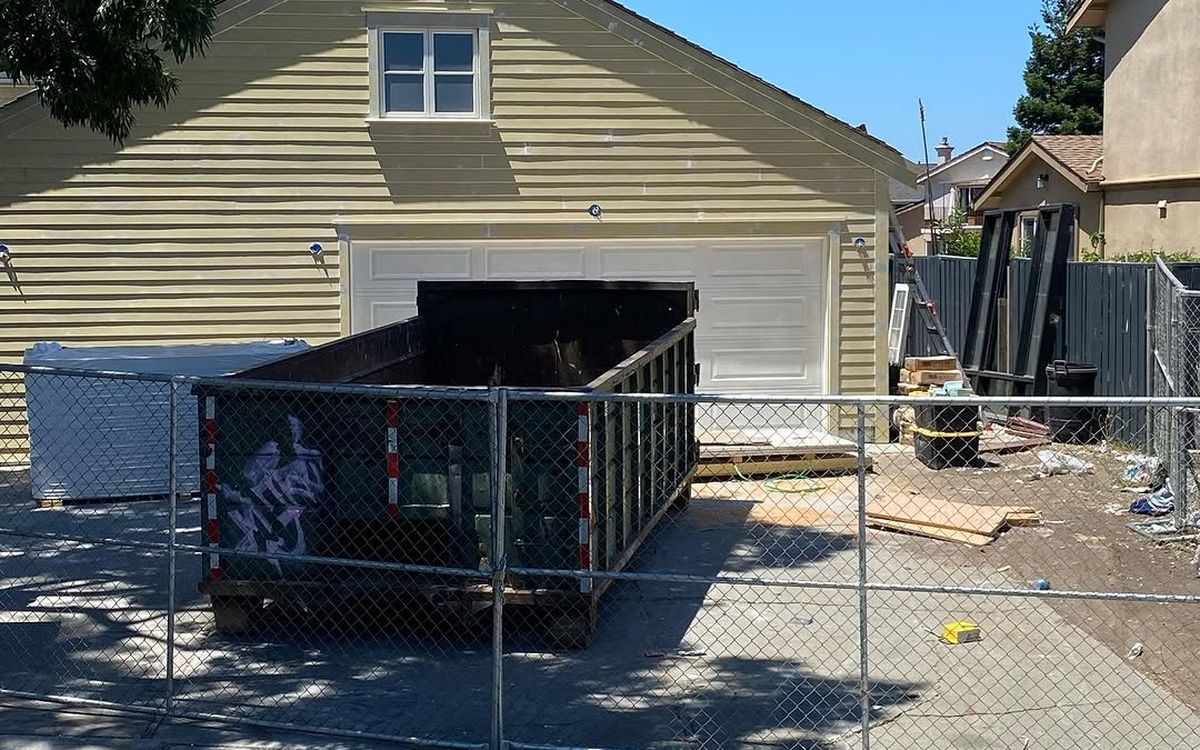
Demolition Permits in the East Bay: What to Settle Before the Machine Arrives
A teardown rarely stalls because of the machine. It stalls because a utility disconnect was requested three weeks too late. Here is the sequence that works.
Read the article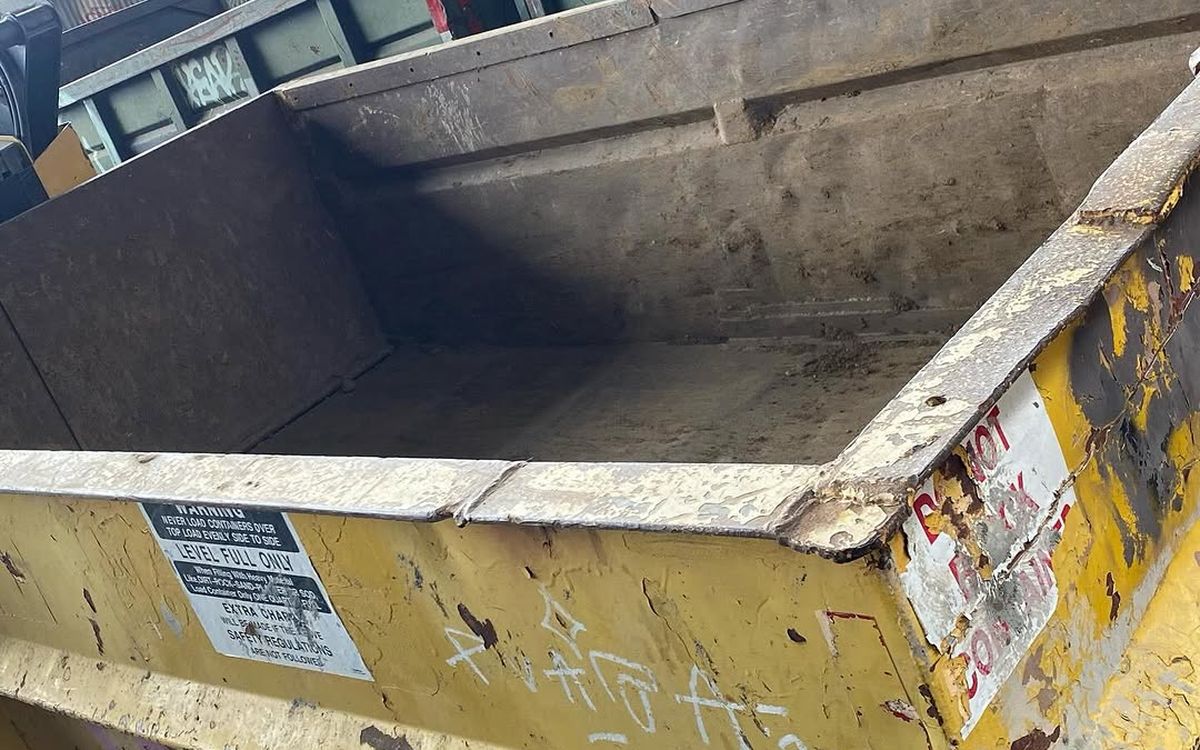
Picking a Dumpster Size That Does Not Come Back to Bite You
The mistake is not ordering a container that is too small. It is ordering one that is too big for concrete and hitting the weight limit half full.
Read the article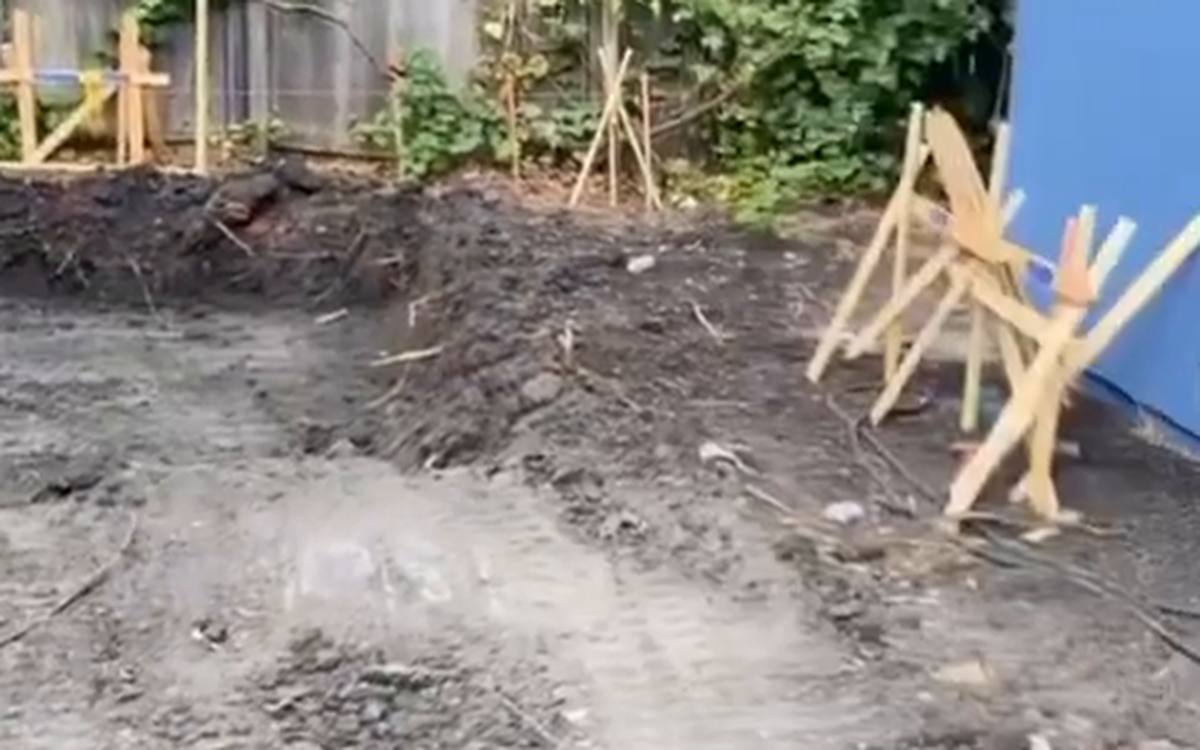
Why Your Crawl Space Is Wet: Grading, Slope, and the Six-Inch Rule
Water in a crawl space almost never originates in the crawl space. It arrives because the ground outside is pointed at your house.
Read the articleNext step
Have a project this article applies to?
We will look at it in person, tell you what the situation actually needs, and put a fixed number in writing.