
Excavation · 7 min read
Before You Dig: How Utility Locating Actually Works in the East Bay
The 811 marks tell you approximately where a line is. Everything expensive happens in the gap between approximately and exactly.
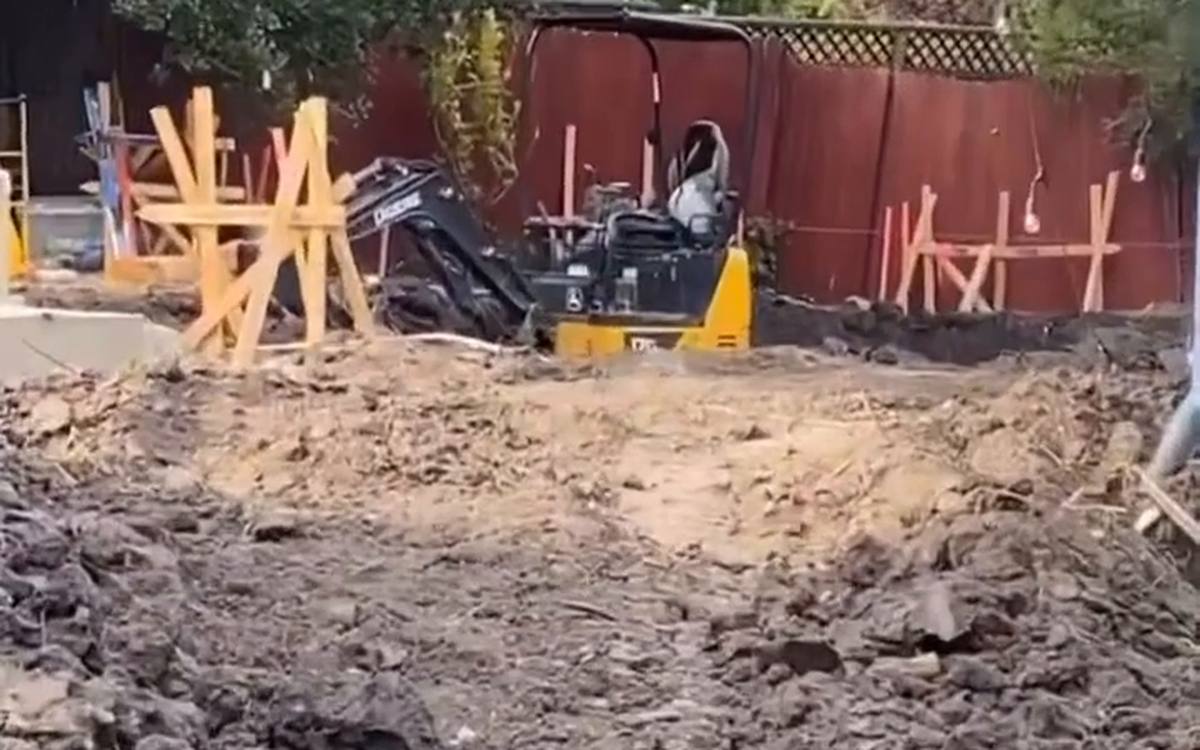
Every dig, from a foundation excavation to four holes for a pergola, begins the same way: find out what is already underground. In Northern California that starts with a call or online ticket to USA North 811, which is free, legally expected before excavation, and frequently misunderstood in ways that get people hurt and property damaged.
What follows is how the process actually works on residential and light commercial jobs around San Pablo, Richmond, Berkeley, and the rest of the East Bay — including the parts that the marks do not cover.
What placing a ticket actually does
When a ticket is placed, the notification center forwards it to member utilities whose facilities may be in the described area. Each of those operators is then responsible for marking their own lines within the requested dig area, or for indicating that they have none there. There is a required waiting period before excavation begins — the marks do not appear the same afternoon.
Two details matter. The ticket describes a specific area, so the marks apply to that area and no further; extending the dig means updating or re-placing the ticket. And tickets expire, because marks fade and site conditions change, so a ticket placed for a job that slips by a month needs refreshing before the machine arrives.
Reading the marks
Locators use a standardized color code, and learning it takes about a minute and saves a great deal of confusion on site.
- Red — electric power lines, conduit, and lighting cable
- Yellow — gas, oil, steam, petroleum, or other gaseous or flammable material
- Orange — communication, alarm or signal lines, cable, and conduit
- Blue — potable water
- Green — sewer and storm drain lines
- Purple — reclaimed water, irrigation, and slurry lines
- White — the proposed excavation area, marked by the excavator before the locators arrive
- Pink — temporary survey markings
Marking the white lines yourself, before the locators come, is not a formality. It is how the locator knows which part of the property to cover, and a vague or missing white delineation is a common reason marks come back incomplete.

The word that matters: approximately
Locate marks indicate the approximate horizontal position of a facility. They are not a survey, and they carry no depth information at all. Regulation reflects this by requiring a tolerance zone around the marks within which mechanical excavation must give way to careful hand methods.
This is the single most important thing for a property owner to understand about locating. The paint reduces uncertainty substantially; it does not eliminate it. A line can be offset from its mark, and it can be considerably shallower or deeper than expected — particularly after decades of regrading, resurfacing, and landscape work above it.
Which is why hand potholing exists
Potholing means opening a small hole by hand, or with a vacuum, at each point where the planned dig crosses or comes near a marked line, until the line is visually confirmed. It is slow, it is unglamorous, and it is the entire reason experienced crews rarely hit anything. A five-minute pothole is cheaper than every alternative outcome, without exception.
What 811 does not cover
This is where most residential strikes actually happen. The notification system reaches member utility operators — the companies that own the mains and services coming to your property. It does not cover privately installed lines on your side of the meter, and East Bay properties are full of them.
- Irrigation mains and valve wiring, often installed decades ago with no record
- Landscape lighting and low-voltage runs
- Power or water to a detached garage, shop, ADU, or well
- Septic tanks, leach fields, and connecting laterals
- Pool and spa plumbing and electrical
- Propane lines from a yard tank
- Private drainage, French drains, and abandoned pipe from earlier work
Nobody is going to mark those for you. What helps is information: what previous owners installed, where the sprinkler valves are, whether there was ever a pool or a shed with power. A private locating service can be hired for high-stakes situations, and on properties where the history is genuinely unknown that is money well spent.
Why the consequences are disproportionate
A struck irrigation line is an inconvenience. A struck electrical service is a serious injury risk and a power outage. A struck fiber line is an outage affecting a neighborhood and a repair bill that bears no relationship to the size of the job that caused it. A struck gas main means evacuation, fire response, and a level of liability no residential project absorbs.
There is also a purely legal dimension. Excavating without placing a ticket exposes the excavator to liability for damage that would otherwise be shared, and both statute and insurance treat the failure to notify as the excavator's responsibility. Being right about where you thought the line was is not a defense.

How this looks on a well-run job
The sequence is short and does not vary much, whether the job is a full basement excavation or a single row of fence posts.
- Define and white-line the dig area before requesting locates
- Place the ticket and observe the required waiting period
- Walk the site when marks appear, and confirm every expected utility is represented
- Discuss private lines with the property owner and locate them separately where they exist
- Hand pothole at every crossing and anywhere the dig enters the tolerance zone
- Excavate mechanically only outside the tolerance zone, and hand dig within it
- Re-request locates if the schedule slips past ticket expiry or the dig area grows
Questions worth asking your contractor
Anyone digging on your property should be able to answer these immediately, and hesitation is informative.
- Have you placed an 811 ticket, and what is the ticket number?
- Have all expected utilities responded, or are any marks missing?
- Where will you hand pothole rather than dig with the machine?
- What private lines have we identified, and how are we locating them?
- What is the plan if something unmarked is found during the dig?
That last one is worth pressing on. The correct answer is that work stops, the situation is documented, and the owner is called before anything else happens — not that the crew works around it and mentions it later.
Questions we get on this topic
Yes. Post holes are shallow but fence lines follow property boundaries, which is exactly where gas services, water laterals, and irrigation mains tend to run. Depth is not what determines the risk — location is.
Whoever is excavating should place the ticket, so on a contracted job that is the contractor. The marks need to match the actual dig area and be current on the day work starts, which is easier when the digger owns the ticket.
Follow up before digging rather than assuming there is nothing there. A missing response is not a clearance. The notification center has a process for unresponsive members, and an unmarked area is a reason to wait, not to proceed carefully.
Services related to this article
Keep reading
Other field notes
Demolition Permits in the East Bay: What to Settle Before the Machine Arrives
A teardown rarely stalls because of the machine. It stalls because a utility disconnect was requested three weeks too late. Here is the sequence that works.
Read the article
Partial or Full Pool Removal: How to Choose Without Regretting It
Partial removal costs less and is often the right call. It also permanently changes what you can build there. The choice deserves ten minutes of thought.
Read the article
Picking a Dumpster Size That Does Not Come Back to Bite You
The mistake is not ordering a container that is too small. It is ordering one that is too big for concrete and hitting the weight limit half full.
Read the articleNext step
Have a project this article applies to?
We will look at it in person, tell you what the situation actually needs, and put a fixed number in writing.