
Materials · 6 min read
Fill Dirt, Topsoil, and Base Rock: What Each One Is Actually For
Most material failures are not bad material. They are the right material used for the wrong job — base rock in a drain, drain rock under pavers, subsoil under a lawn.
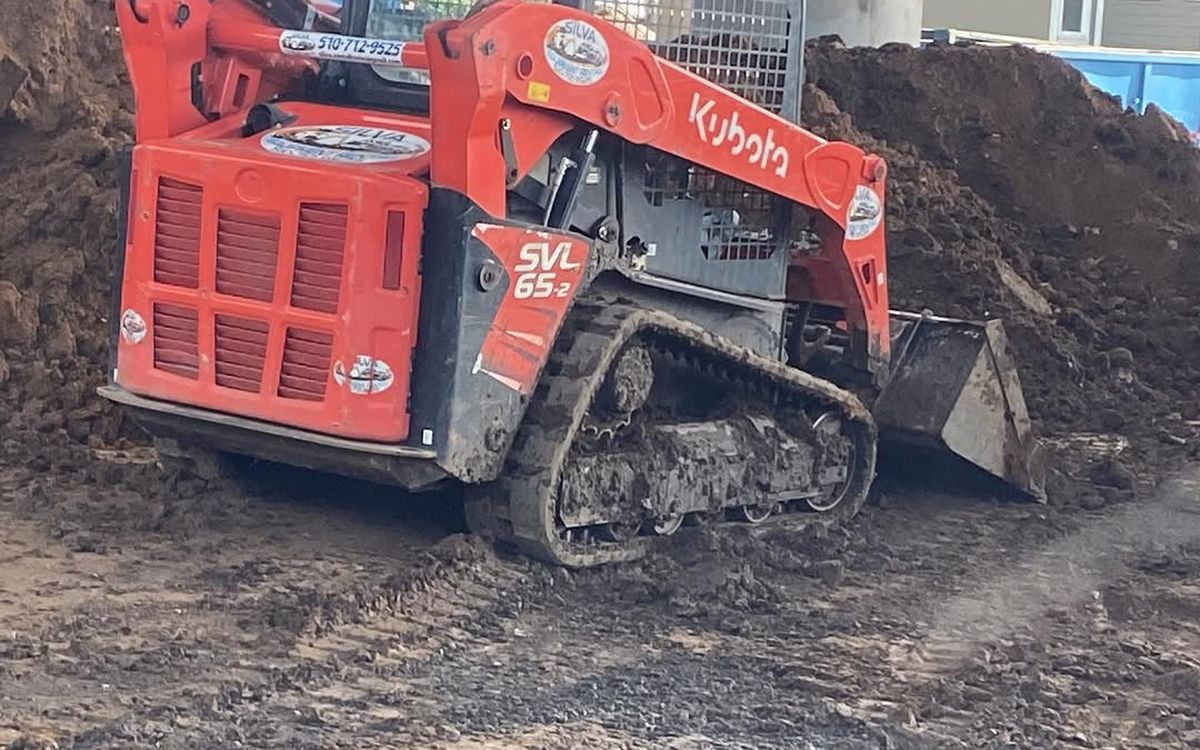
Nearly every material problem we get called to look at is a substitution problem. The rock was fine, the soil was fine, but the drain was built with base rock and stopped draining, or the paver base was built with drain rock and the field started rippling, or a lawn was planted in subsoil and died. Knowing what each material is engineered to do prevents most of it.
Fill dirt
Fill dirt is subsoil — material from below the organic layer, taken out of excavations. It is dense, low in organic content, and in this region usually clay-heavy. Its purpose is volume: raising a low area, backfilling a void, building up a pad or berm, bringing an elevation up before something else goes on top.
Its virtue is that it is stable and cheap, sometimes free when a nearby excavation is producing it. Its limitation is that nothing grows well in it and it is not, by itself, engineered fill. Compacted properly in lifts it holds elevation reliably. Dumped and spread without compaction, it consolidates, and anything built on it settles.
Fill dirt is not planting soil. Use it to reach the elevation you need, then place topsoil over it for anything you intend to grow.
Topsoil
Topsoil is the organic-rich upper layer, and it is a growing medium rather than a structural material. Screened topsoil has been passed through a screen to remove rock, root, and clod; blended topsoil has compost or sand added to improve structure. It goes on last, in a layer deep enough for what you are planting — a few inches for turf, considerably more for beds and shrubs.
Two failure modes are common. Using topsoil as fill, because it is organic and will decompose and settle, producing low spots and instability under hardscape. And placing too thin a layer over compacted clay, which creates a shallow root zone that dries out and drowns in turn, because water cannot pass into the dense material below.

Class 2 aggregate base
Class 2 base — often just called base rock — is a graded mix of crushed rock sizes including fines. The gradation is the point. When compacted, the various sizes interlock and the fines fill the voids, producing a dense layer that carries load and resists movement. It is the structural sub-base under driveways, slabs, paver patios, shed pads, and walkways.
It goes in lifts and gets compacted, and it needs moisture to compact properly — bone-dry base rock will not lock up. It is deliberately not free-draining, because a compacted structural layer and a high-flow drainage layer are opposite engineering objectives. Using base rock where water needs to move through is the most common material mistake in residential drainage.
How much do you need?
One cubic yard covers roughly a hundred square feet at three inches deep, or about eighty square feet at four inches. Add ten to fifteen percent for compaction, because loose material loses volume when rolled. Ordering exactly the calculated figure is how projects come up a half load short on installation day.
Drain rock
Drain rock is washed, uniformly sized stone — commonly three-quarter inch — with no fines. The washing and uniformity create large continuous voids that water passes through freely. It is the material for French drains, dry wells, behind retaining walls, under crawl space vapor barriers, and around foundation drains.
It should always be wrapped in filter fabric when it is doing a drainage job. Without fabric, surrounding soil migrates into the voids and the drain progressively silts up until it stops working — usually within a few seasons, and always during the storm when you needed it. Unwashed rock does the same thing faster, from the inside.
The reverse substitution is equally bad. Drain rock under pavers or a slab will not compact into a locked structural layer, because there are no fines to fill the voids. The field moves, the joints open, and the surface ripples under traffic.
Sand, and which sand
Sand is not one product. Washed concrete sand is the coarse, angular sand used as a bedding layer for pavers and for pipe bedding in trenches, where it drains and stays stable. Fine masonry sand is for mortar. Fill sand is a cheap bulk material for backfill in specific applications. Play sand is a rounded, screened product that is wrong for essentially every construction purpose because rounded grains slide past each other.
The frequent error is a bedding layer that is too thick. A paver setting bed is a thin, screeded, consistent layer over compacted base — not a substitute for base, and not a leveling medium for an uneven sub-base. A thick sand layer will rut and consolidate under load no matter how well the pavers were laid.
A quick reference
- Raising a low area, backfilling a void, building a pad — fill dirt, compacted in lifts
- Lawn, beds, anything growing — screened or blended topsoil over the corrected elevation
- Under a driveway, slab, patio, or shed pad — Class 2 aggregate base, compacted in lifts
- French drain, dry well, behind a retaining wall — washed drain rock in filter fabric
- Paver setting bed and pipe bedding — washed concrete sand, thin and screeded
- Pathways, dog runs, decorative beds — pea gravel or decorative rock over fabric
Buying it sensibly
Bulk delivery is dramatically cheaper than bagged material for any real quantity — a single cubic yard is roughly forty bags, at several times the delivered price per yard. Before ordering, work out area and finished depth, apply the compaction allowance, and check truck access: approach length, overhead clearance, and whether the load can be spread along the run or has to be stockpiled and moved by hand. That last question changes labor more than any other detail.
And where the material is going into a structural or drainage function, say so when you order. A supplier who knows the application can stop the wrong product before it is on a truck, which is a great deal cheaper than discovering it after installation.
Questions we get on this topic
Use it to correct the elevation, then place a topsoil layer over it. Grass planted directly in subsoil struggles because there is little organic matter and water does not move through compacted clay well.
Gravel is a general term. Drain rock specifically means washed, uniformly sized stone with no fines, chosen for water flow. Base rock is a graded mix with fines, chosen for compaction and support. They are not interchangeable.
Commonly around four inches for pedestrian patios and more for vehicle loads, adjusted for soil conditions. It should be placed and compacted in lifts rather than in one thick layer, because a single deep lift will not compact through its full depth.
Services related to this article
Keep reading
Other field notes
Demolition Permits in the East Bay: What to Settle Before the Machine Arrives
A teardown rarely stalls because of the machine. It stalls because a utility disconnect was requested three weeks too late. Here is the sequence that works.
Read the article
Partial or Full Pool Removal: How to Choose Without Regretting It
Partial removal costs less and is often the right call. It also permanently changes what you can build there. The choice deserves ten minutes of thought.
Read the article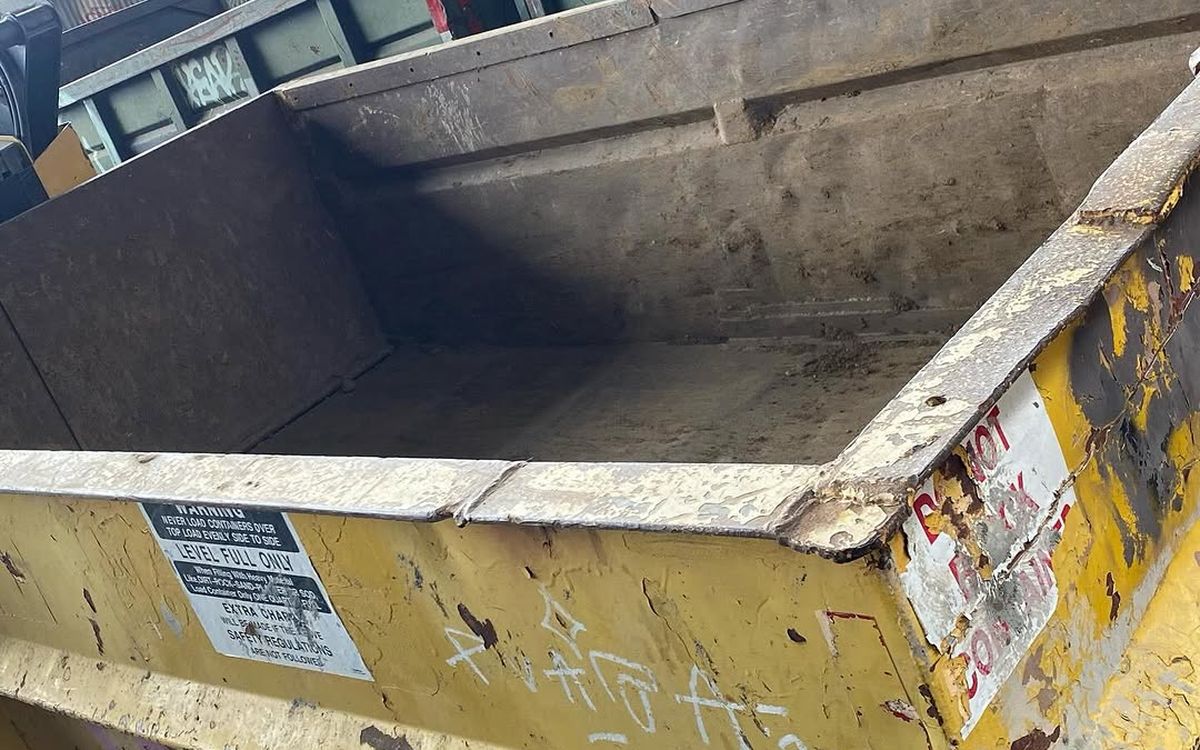
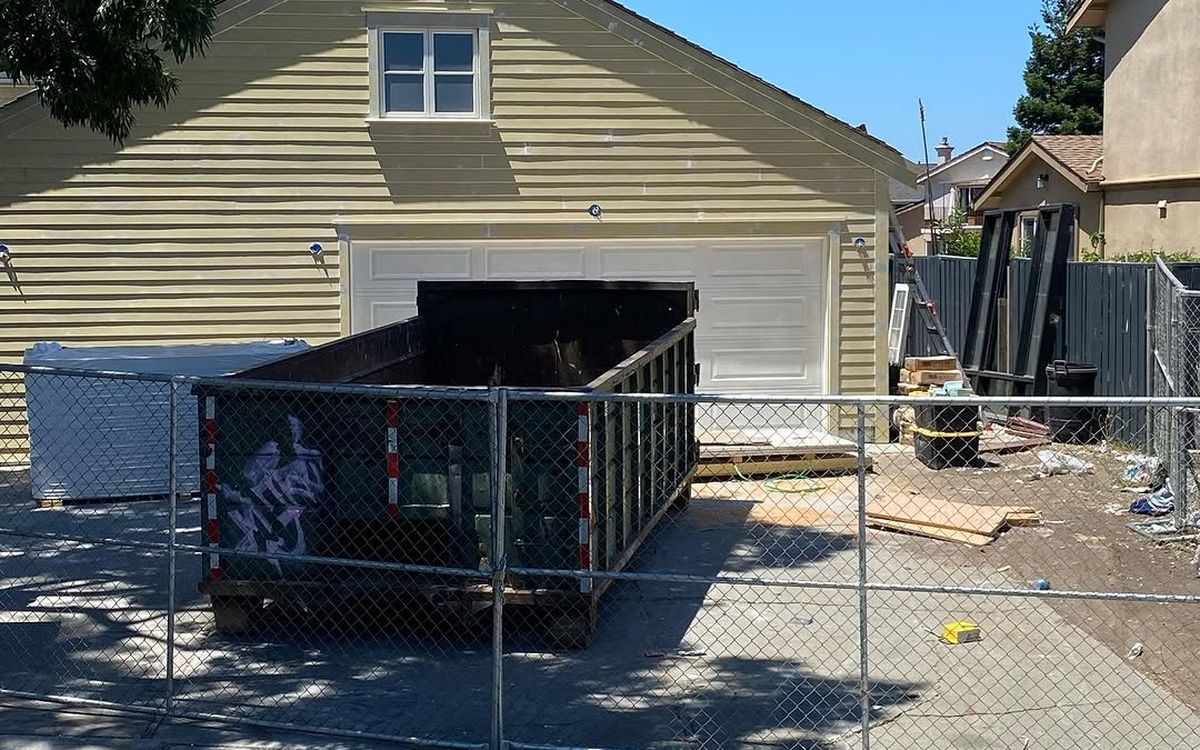
Picking a Dumpster Size That Does Not Come Back to Bite You
The mistake is not ordering a container that is too small. It is ordering one that is too big for concrete and hitting the weight limit half full.
Read the articleNext step
Have a project this article applies to?
We will look at it in person, tell you what the situation actually needs, and put a fixed number in writing.